
A Bridge Across Time
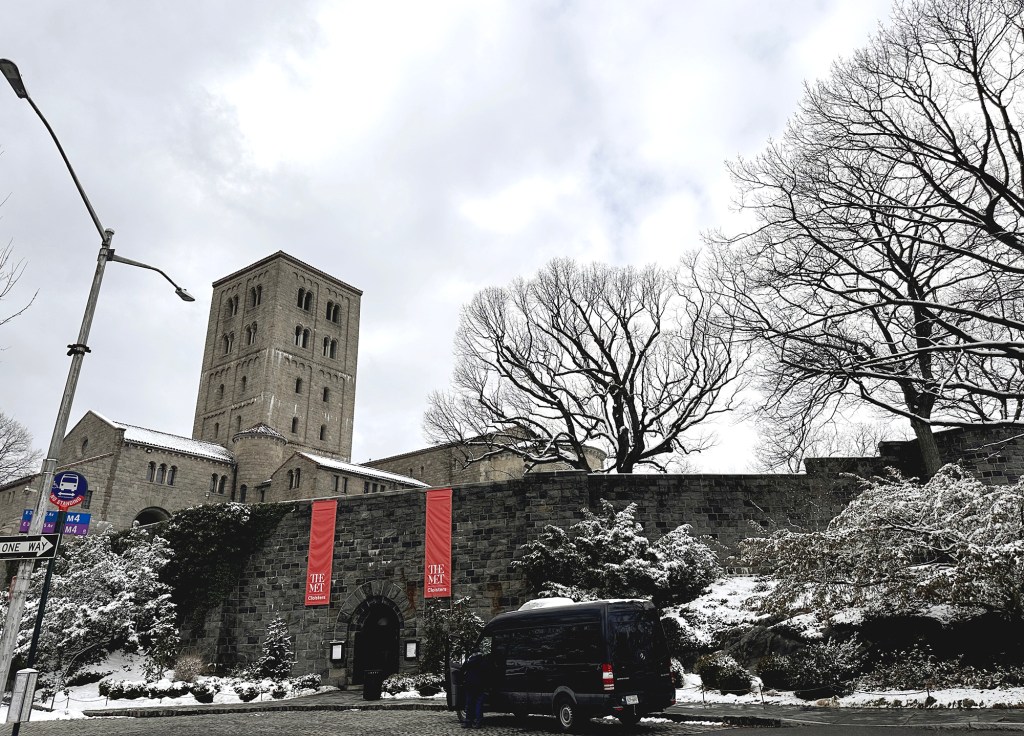
Just fifteen minutes from Manhattan’s grid, an unexpected silhouette rises above the Hudson – medieval cloisters perched on a hill, as if a piece of ancient Europe drifted across the Atlantic. The story of how these stones journeyed here is as remarkable as the sight itself. In 1910, sculptor George Grey Barnard began shipping fragments of French monasteries to New York, piece by medieval piece. His vision caught the eye of John D. Rockefeller Jr., who transformed this collection into what would become The Met Cloisters in 1938.
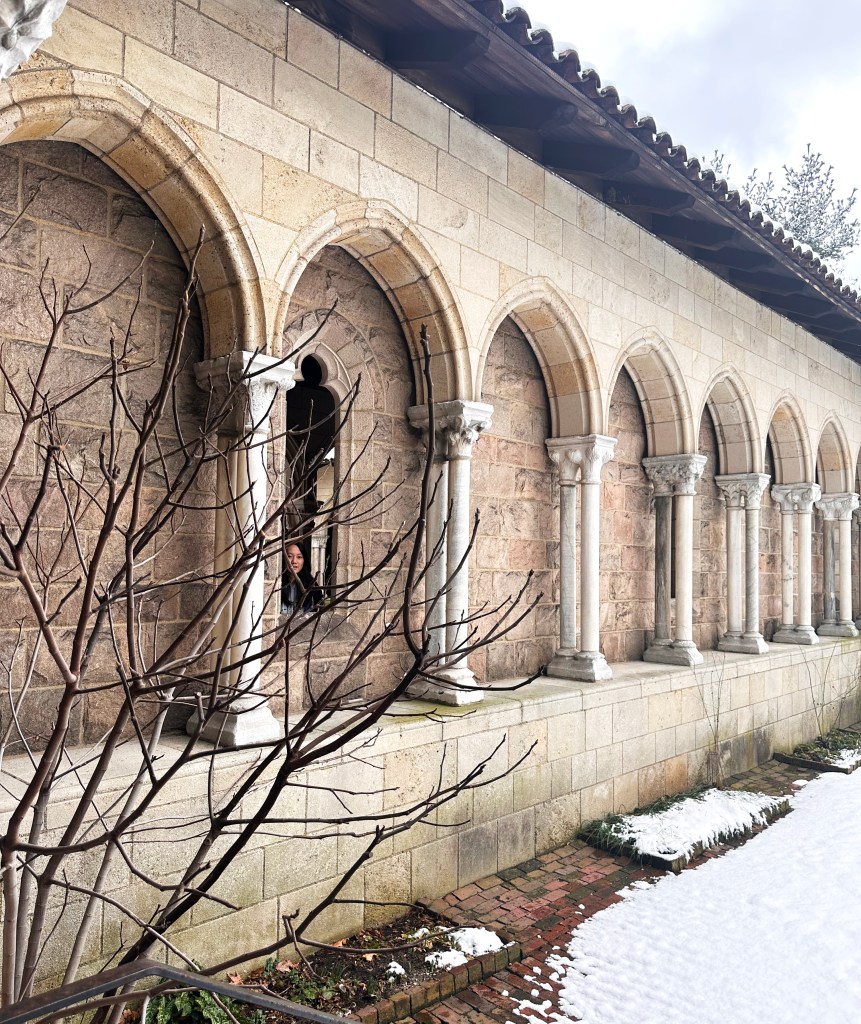
The seamless blend of medieval European architecture with modern American construction techniques creates a uniquely immersive space. Unlike traditional museums where artifacts sit in display cases, here history lives in every stone and archway, offering visitors a chance to experience medieval art within its original architectural context.
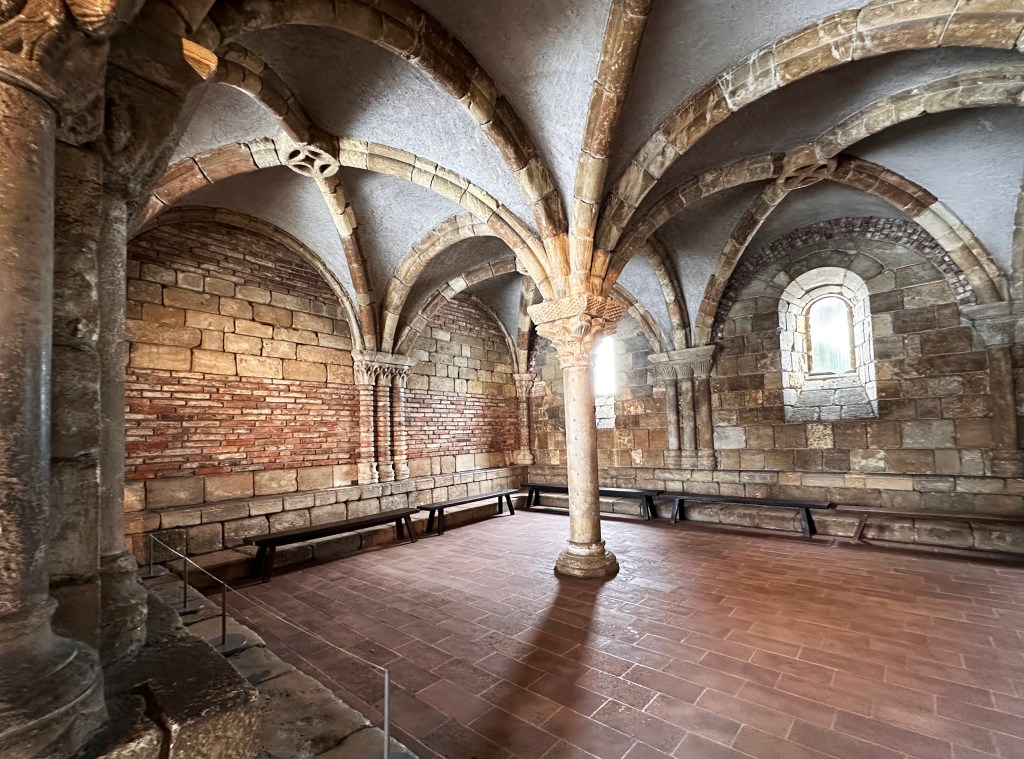
Standing among these centuries-old stones, I reflect on how America’s cultural landscape was shaped. While Europe had millennia to build its artistic heritage, here, visionary patrons of the early 1900s helped craft spaces where art transcends time. The narrow stone steps leading upward, the interplay of indoor galleries and open courtyards – it all speaks to a careful preservation of the past while creating something distinctly American.
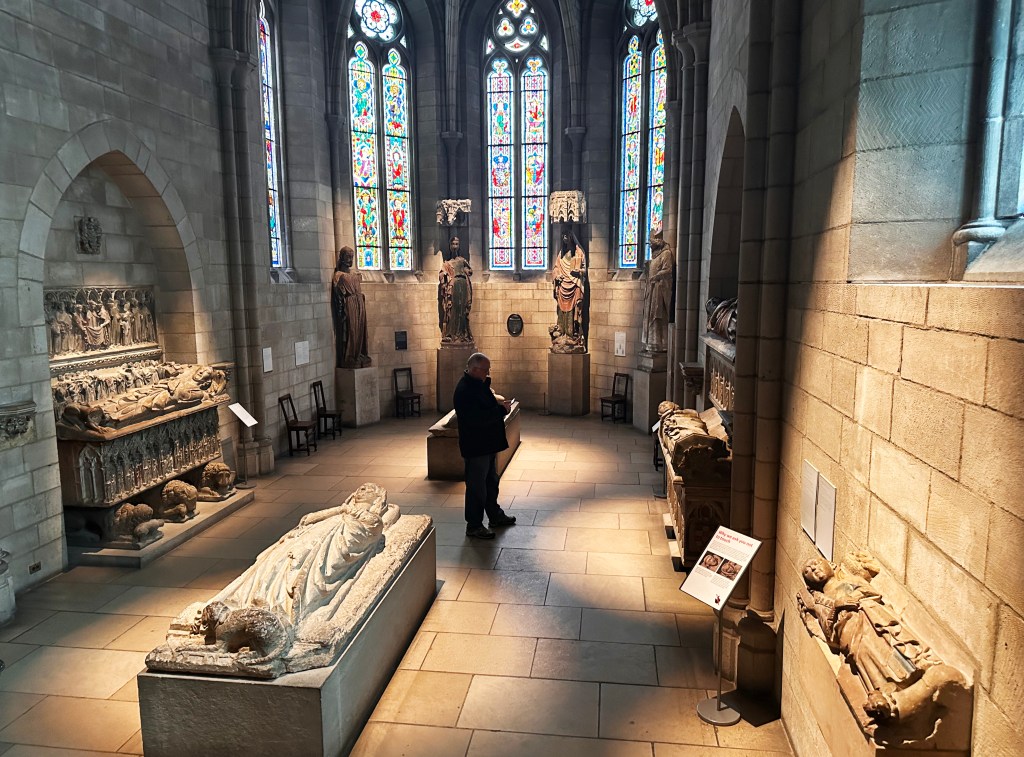
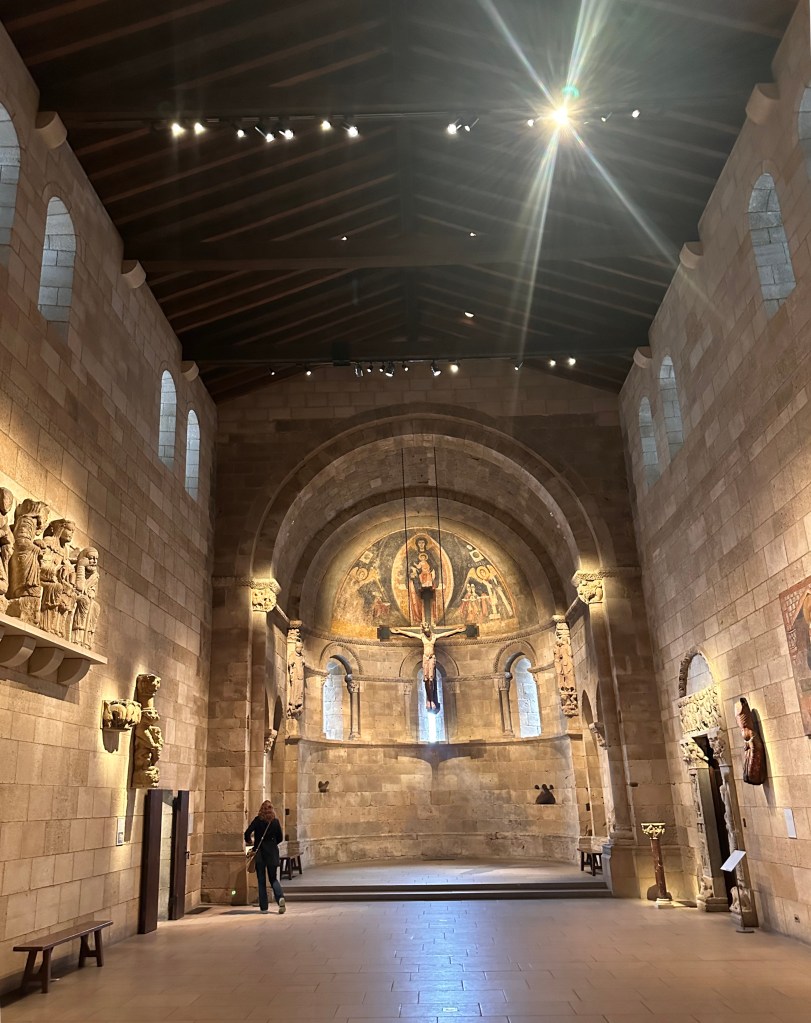
Sacred Details: From Microscopic to Monumental
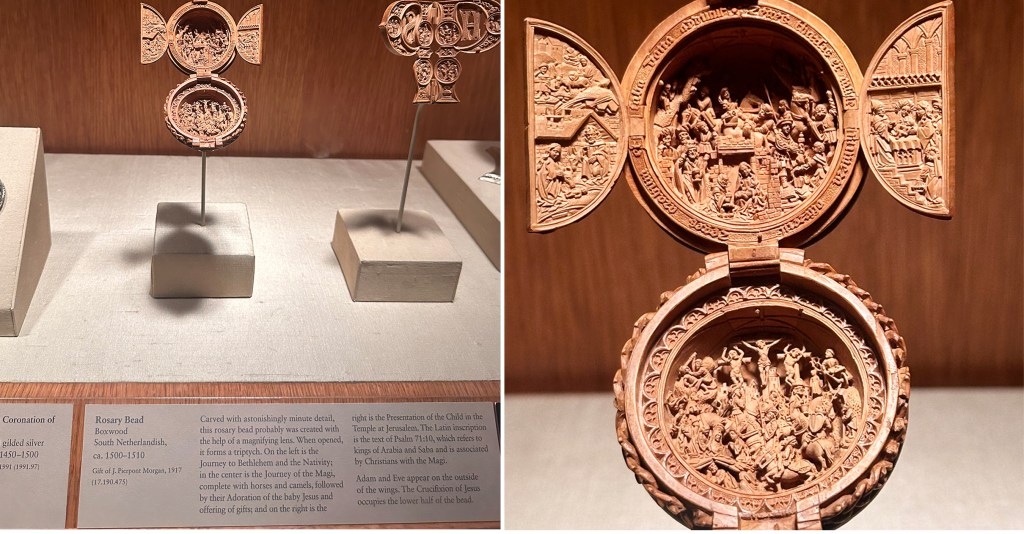
Two works at The Cloisters stopped me in my tracks, each telling medieval stories at drastically different scales. A boxwood rosary bead, barely two inches across, demanded multiple viewings. Even with magnifying glasses, it seemed impossible that human hands could carve such minute biblical scenes – Adam and Eve, the Nativity, the Magi – all perfectly rendered within this tiny wooden sphere.
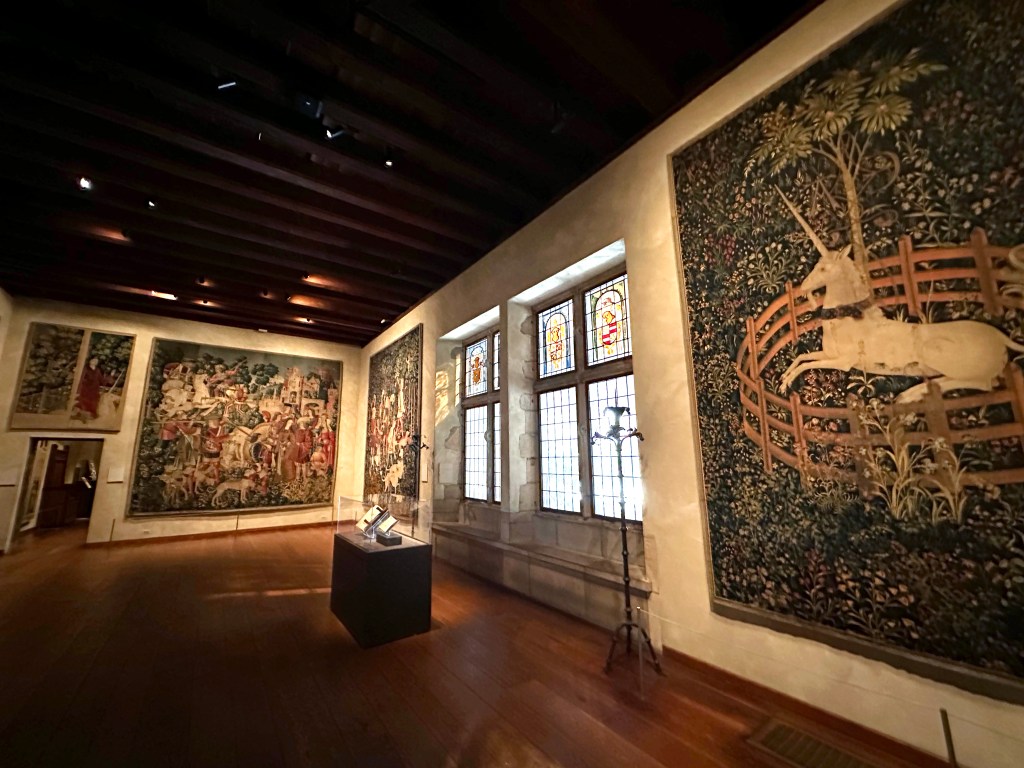
In contrast, the Unicorn Tapestries command an entire room, their wool and silk threads weaving tales of hunt and resurrection. Medieval storytelling unfolds in rich detail: hunters track their mythical prey through carefully rendered gardens, each plant and animal precisely depicted. The unicorn itself appears both powerful and vulnerable – a medieval allegory captured in textile. Standing before these massive works after studying the miniature rosary, I got amazed at how medieval artists mastered both the microscopic and the monumental to share their stories.


Leave a Reply