
Where Memory Meets Masterpiece
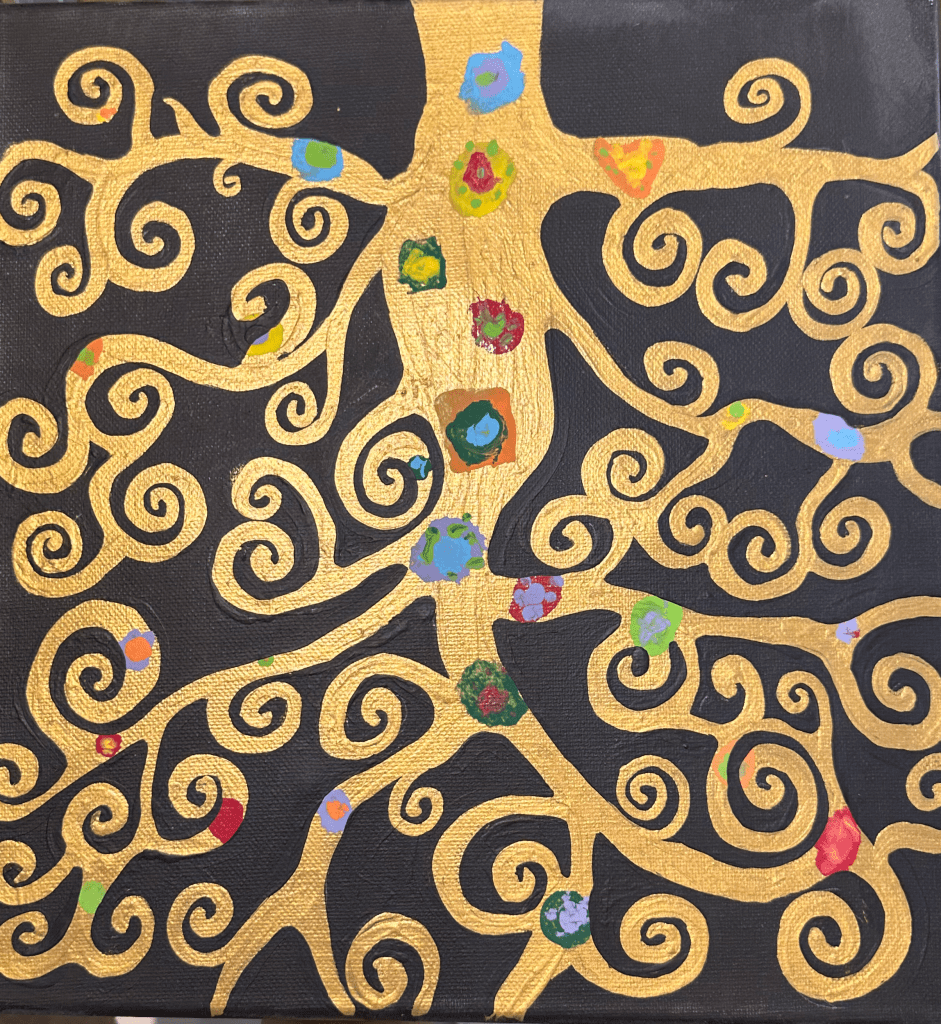
Back in elementary school, I hung my drawing of Klimt’s “Tree of Life” upside down. Those swirling golden branches looked more like roots to me, reaching deep into the earth rather than stretching toward the sky. My teacher praised this unexpected perspective – a moment that forever intertwined Klimt’s spiraling gold patterns with my artistic memories.
Now, decades later, I am walking toward the Neue Galerie, heart quickening at the thought of meeting the real masterpiece that sparked that childhood imagination.
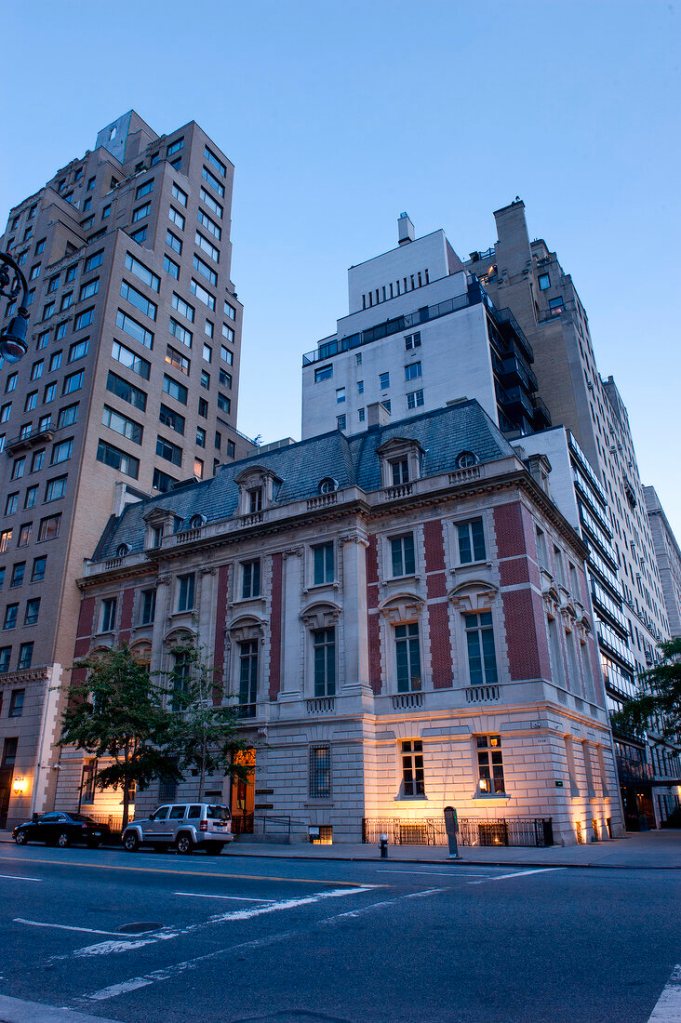
The Neue Galerie, established in 2001 by art dealer Serge Sabarsky and Ronald Lauder, has made its home in the former William Starr Miller House beside Central Park. Its residential heritage creates an intimate but challenging setting – visitors queue outside without a proper lobby, while a separate, surprisingly longer line forms for Café Sabarsky. This bustling Viennese coffeehouse seems to hold equal allure as the German and Austrian art collection it accompanies.
Through the Lens: When Museum Policies Meet Digital Age
Upon entering the Neue Galerie, I encounter an unexpected dilemma. The space brims with treasures – from Klimt’s luminous landscapes to medieval armor – yet cameras must stay tucked away. While the policy makes sense for preservation and copyright protection, it feels like being asked not to bookmark pages in a favorite book.
As a frequent museum visitor, I find myself pondering the balance between artwork protection and visitor experience. In this age of digital sharing where art spreads with proper attribution, such strict no-photo policies feel oddly dated. Unlike live performances, these permanent exhibitions could benefit from thoughtful documentation policies that respect both the artwork and modern visitors’ desire to engage with art. A more nuanced approach, clearly communicated at the entrance, might better serve everyone’s interests.
Between Paint and Gold: Meeting Adele
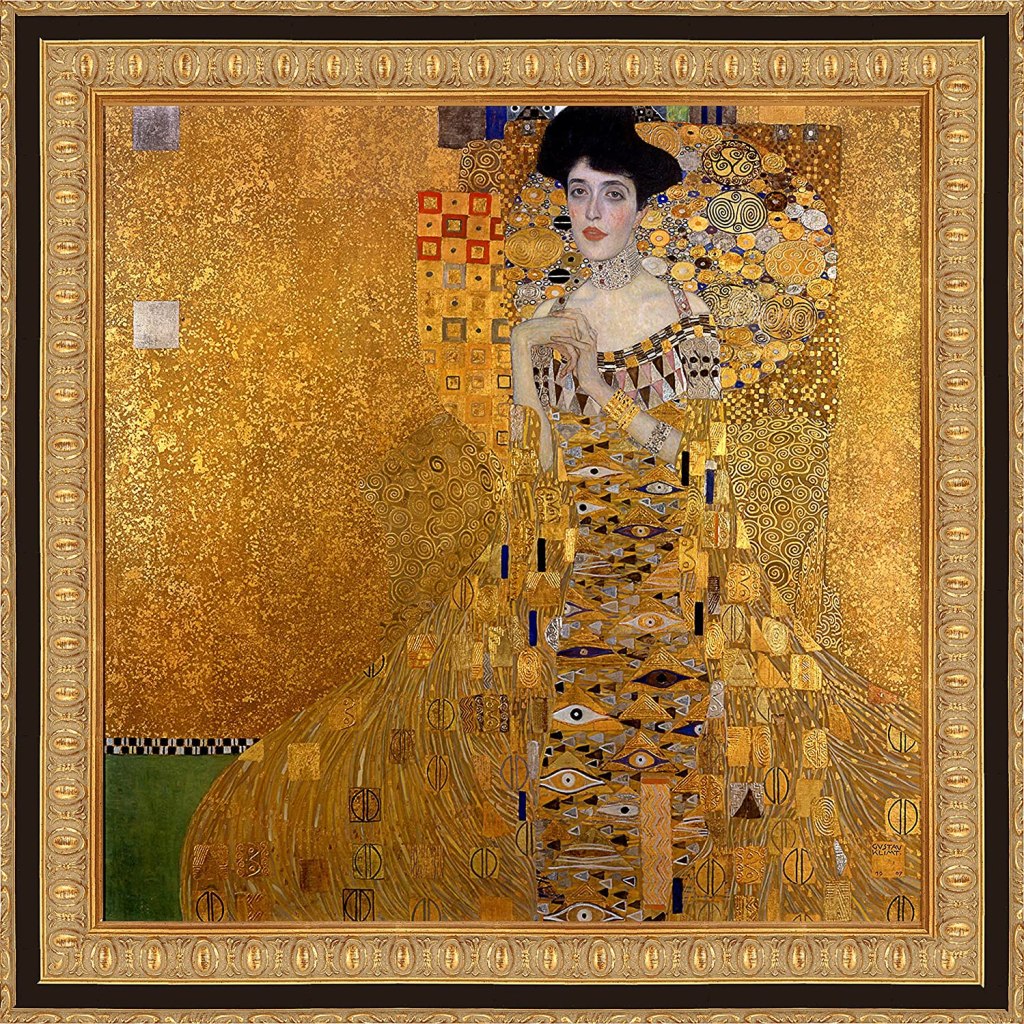
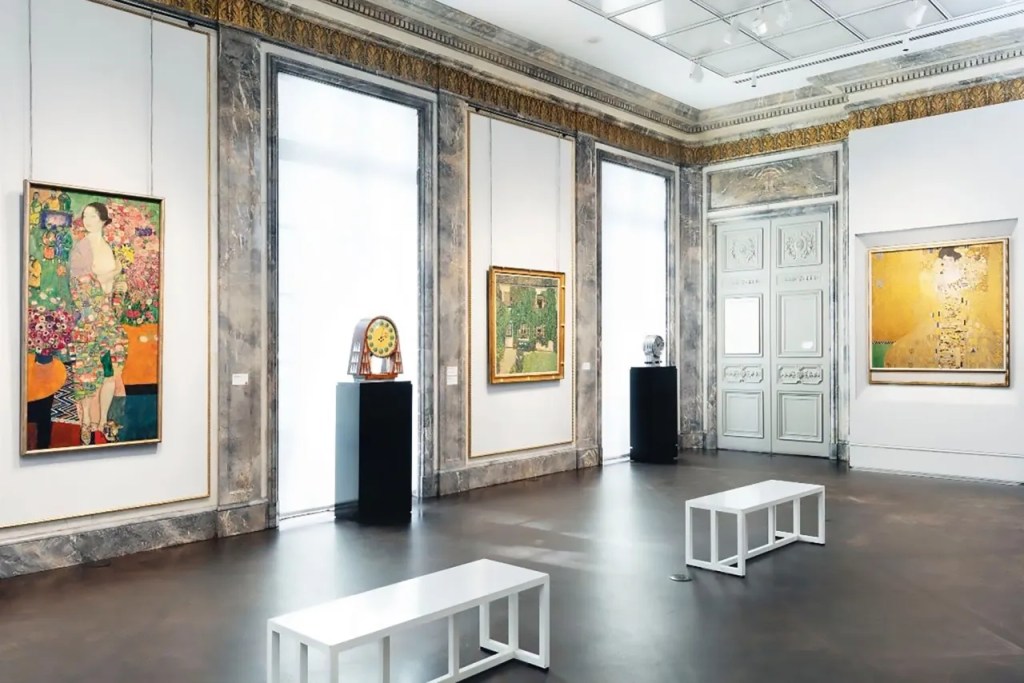
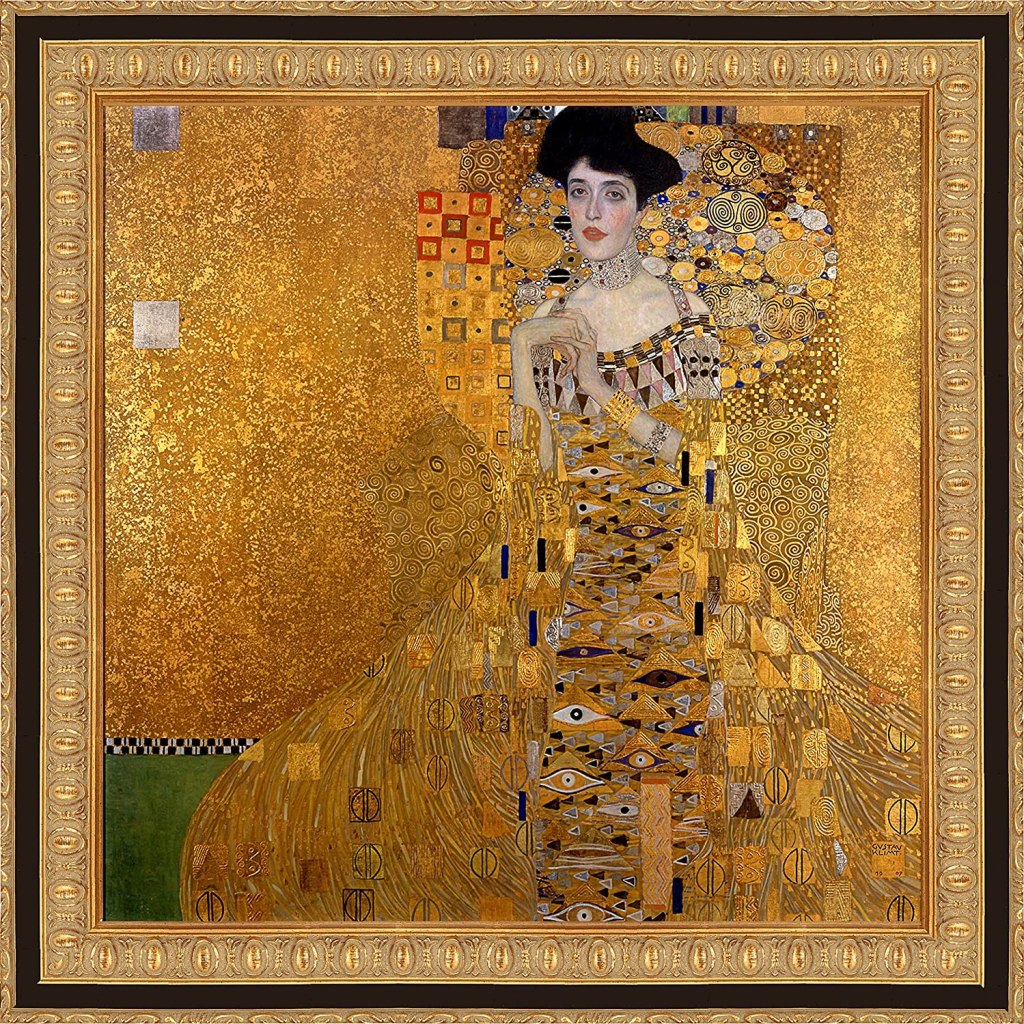
Stepping into the gallery, I was immediately struck by three overwhelming elements: the intense luminosity of yellow, the opulent gleam of gold leaf, and the sheer physical presence of this work, stretching over four feet in both directions. The museum had thoughtfully placed a large bench before the painting, where I joined other visitors taking in its commanding scale.
Moving closer, I noticed how Klimt handled the contrast between Adele’s face and her surroundings. Her remarkably pale complexion stands out against the golden surface – a technical choice that keeps drawing the eye back to her face despite the dazzling patterns surrounding her. The surface alternates between matte paint and reflective gold leaf, creating different effects as you move around the room.
Working on my own portraits in art class has made me particularly interested in how Klimt managed this balance. The geometric patterns in her dress incorporate eye motifs and angular shapes that remind me of Egyptian art I’ve studied. Yet these historical references feel completely transformed in Klimt’s hands, integrated into something distinctly modern.
While the painting’s famous $135 million price tag often dominates discussions, spending time with the actual work reveals why it commands such attention. Its technical complexity, unexpected scale, and the way it engages with the gallery space create an experience that no photograph or history book can capture.
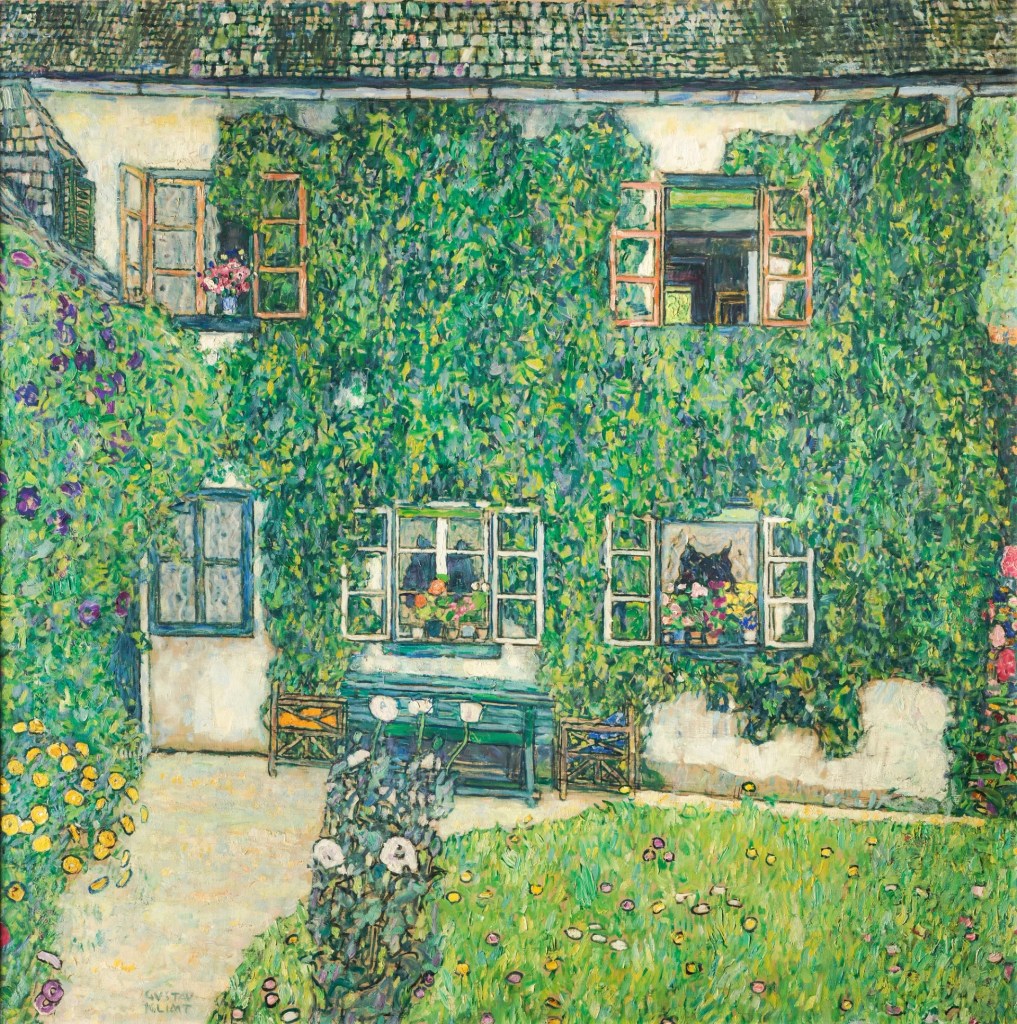
Then I stumble upon his landscapes – an unexpected detour that becomes my favorite discovery. At first glance, they masquerade as Monet’s gardens, but no, Klimt plays an entirely different game here. Where Monet dances with light, Klimt seems to dissect it, breaking nature into precise yet poetic fragments. His trees don’t just grow; they reach upward in a mosaic of green whispers. Each canvas feels like peering through a kaleidoscope that’s decided to capture a forest or a garden instead of its usual abstract patterns. These pieces, often overshadowed by his golden portraits, reveal Klimt’s secret conversation with nature – one where every brushstroke sits precisely where it belongs, yet somehow creates a scene that vibrates with restless energy.
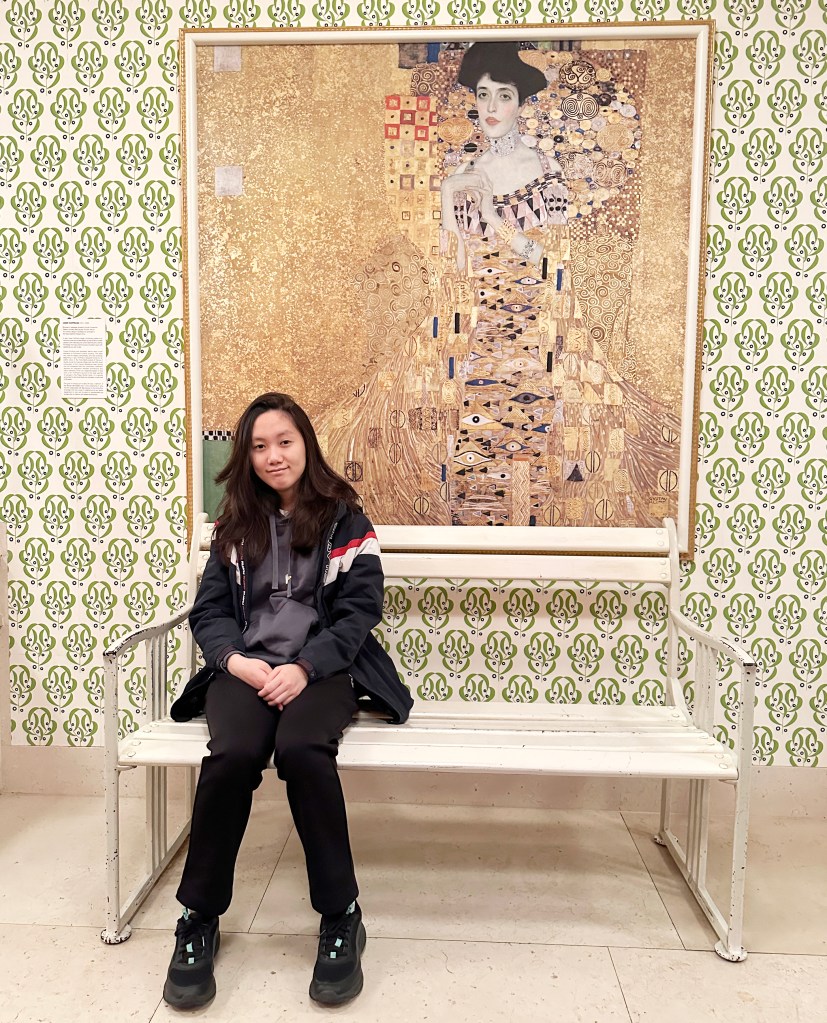
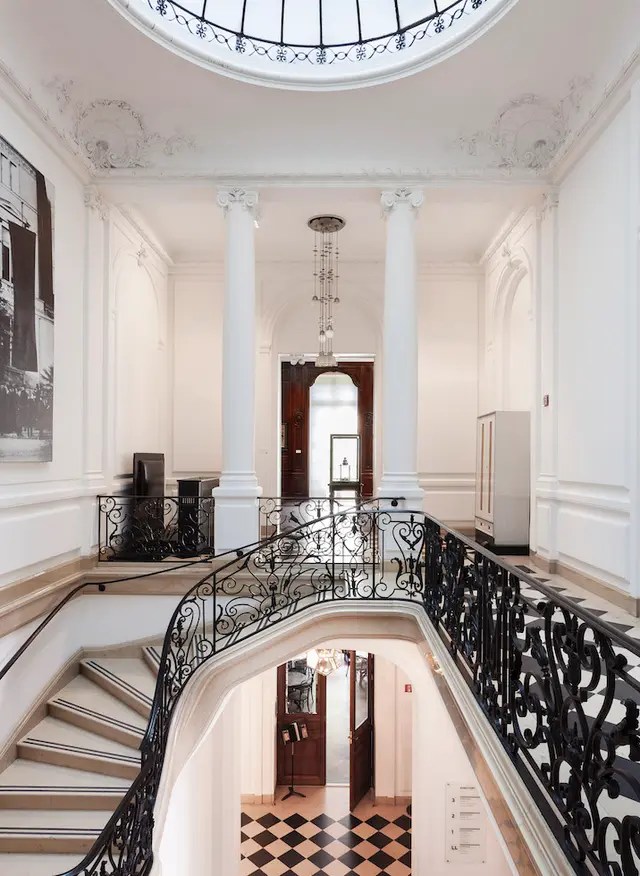
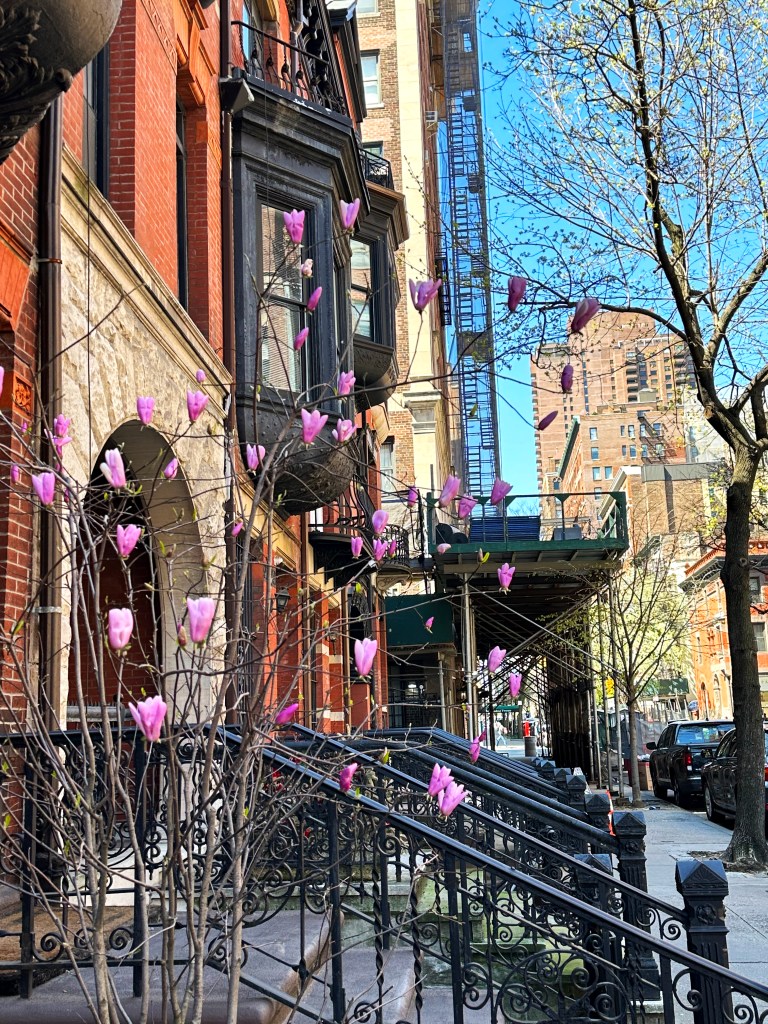
<-The only photo spot where pictures are allowed.


Leave a Reply