Growing Up with The Met
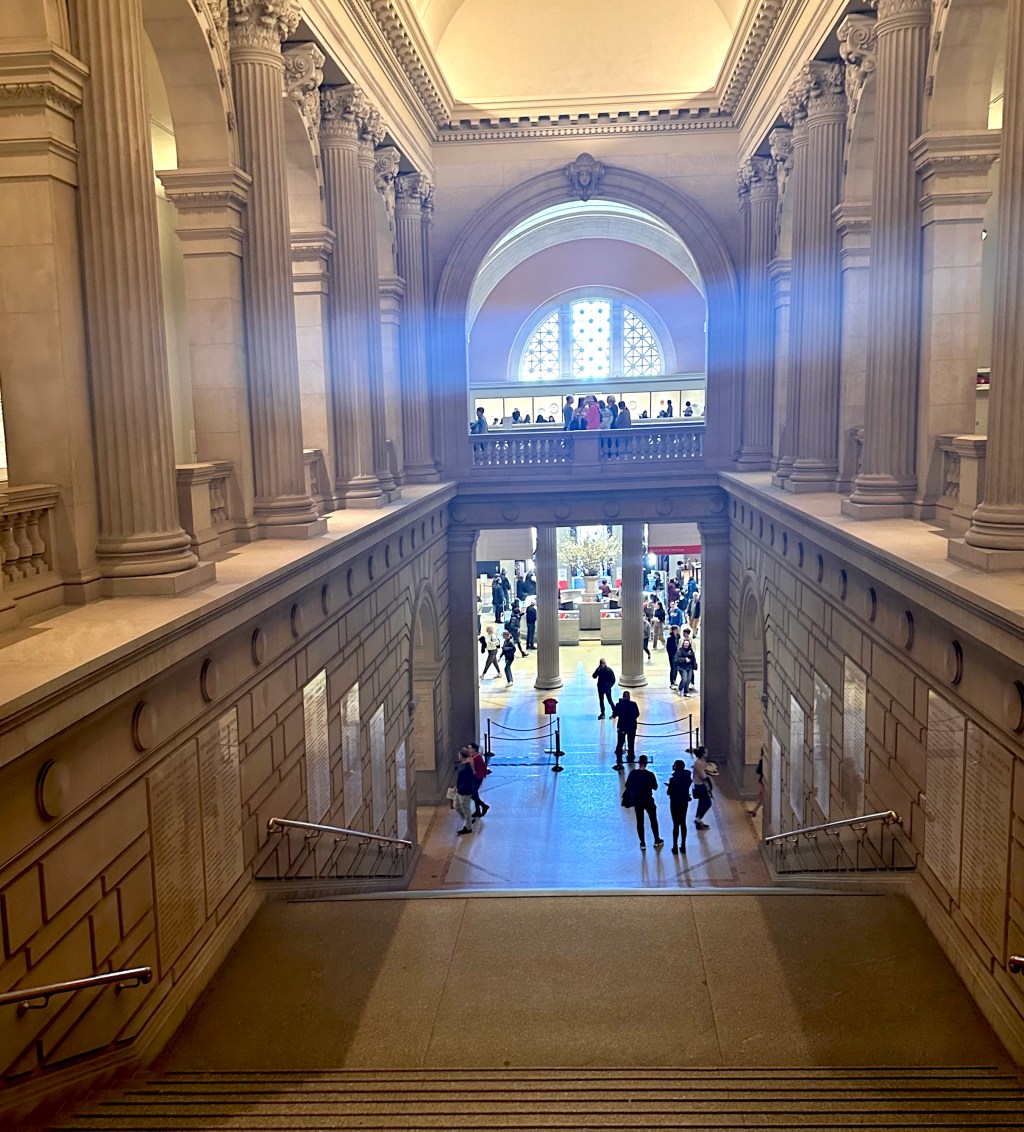
My first Met visit in 2018 was just another tourist stop – a sixth-grader’s obligatory Manhattan checklist item. Coming from a small town, I saw this massive museum as nothing more than an impressive building with a fancy entrance. Little did I know how three years, including a long pandemic lockdown, would completely change my relationship with this place.
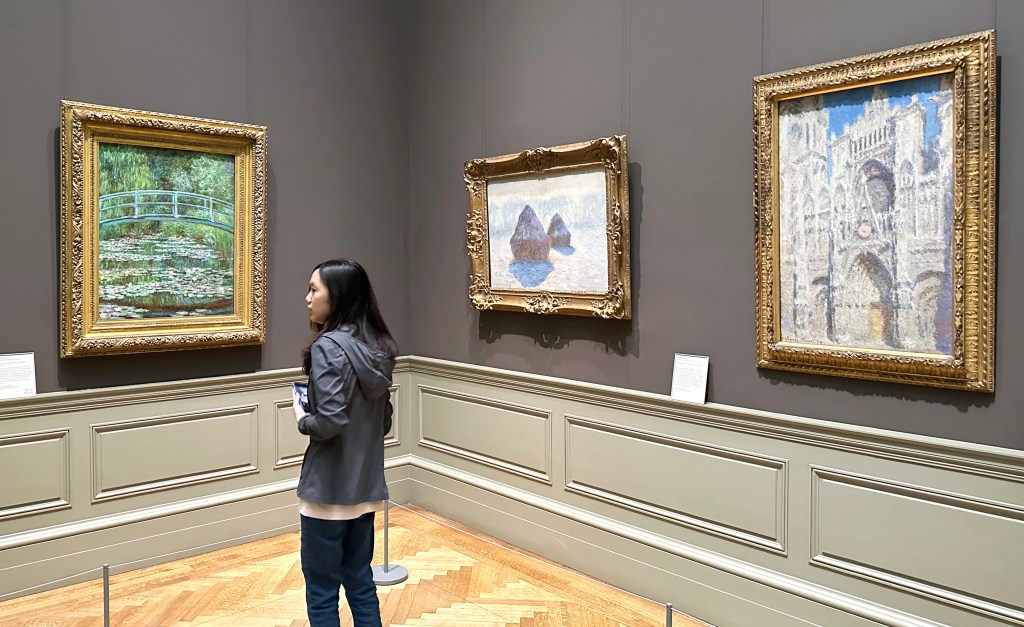
When the Met finally reopened its doors after Covid, I wasn’t the same person who had first walked under those arches. This time, I didn’t shuffle around looking at my phone or following a tour guide. Instead, I raced past the ancient artifacts in the entrance hall, heading straight for the second floor’s European paintings section. My heart was set on one destination: the Impressionist galleries.
The Met had transformed from a tourist attraction into my artistic sanctuary, and I had changed from a casual visitor into someone who could spend hours studying a single Monet painting.
The Met: A World Map of Human Creation
The Met doesn’t just display art – it maps human civilization through space and time. Walking through its halls feels like globe-trotting across millennia. As the Americas’ largest art museum, it somehow manages to make its massive collection feel intimate, organizing human creativity by the landscapes that birthed it.
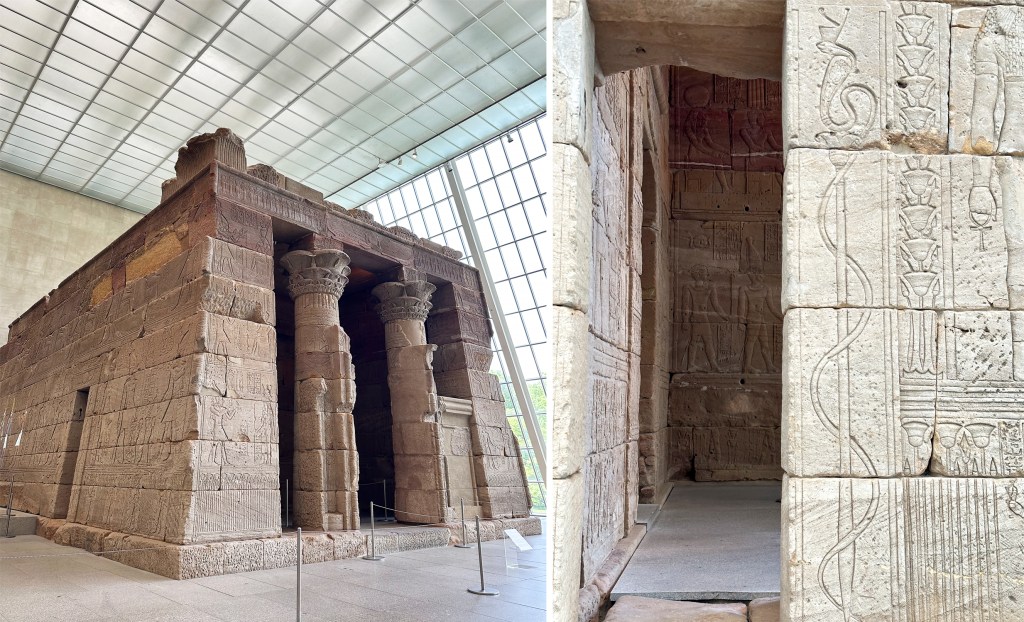
The Egyptian Wing strikes you like a piece of ancient Nile Valley transported to Manhattan. In The Sackler Wing, the Temple of Dendur stands exactly as it did in 15 B.C.E., its sandstone telling stories from Augustus’s time. Each gallery becomes a window into a different world – from Islamic geometric patterns to European oil paintings, from Asian ceramics to African masks.
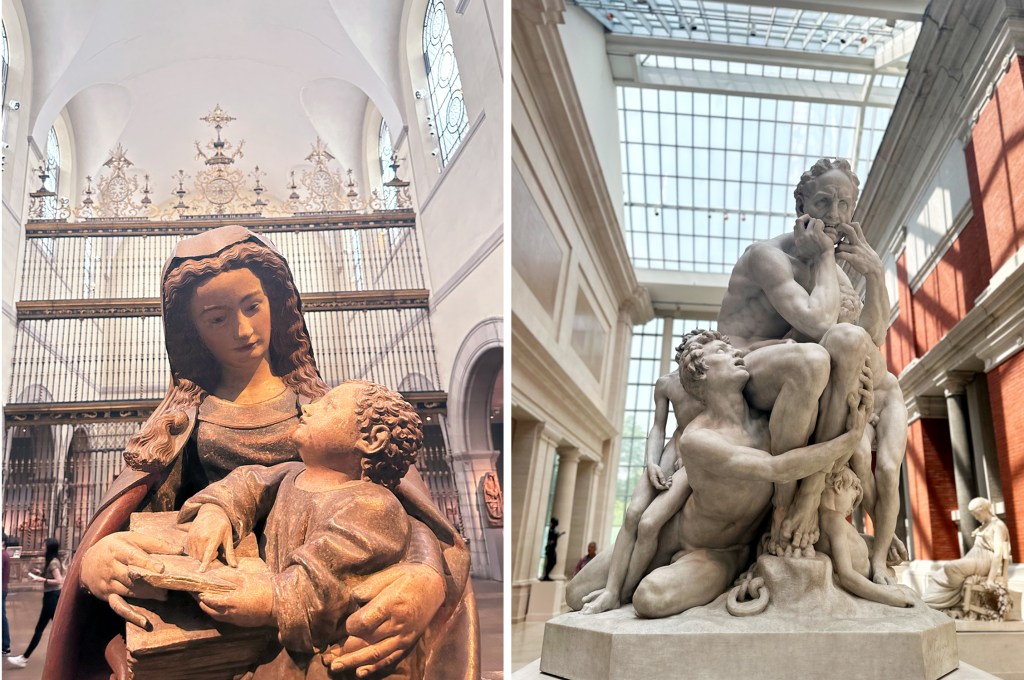
The Met’s genius lies in its geographical organization. Rather than overwhelming you with chronological order, it lets you travel continent by continent, culture by culture. Between the Medieval Sculpture Hall’s Spanish choir screen and the Armor Room’s gleaming suits, you’re reminded that art isn’t just about beauty – it’s about how humans lived, worshipped, and dreamed across time.
My Favorite Space: Standing in the Medieval Sculpture Hall, surrounded by pieces like the massive choir screen from Valladolid Cathedral, I feel like I’m witnessing a frozen moment of history. It’s not just art on display – it’s a slice of time preserved in stone and wood, teaching us who we were and who we’ve become.
Pro tip: Don’t try to see everything in one visit. Choose two or three sections and give them the time they deserve. The Met has stood for 150 years – it’s not going anywhere.
Finding Peace in Monet’s Garden
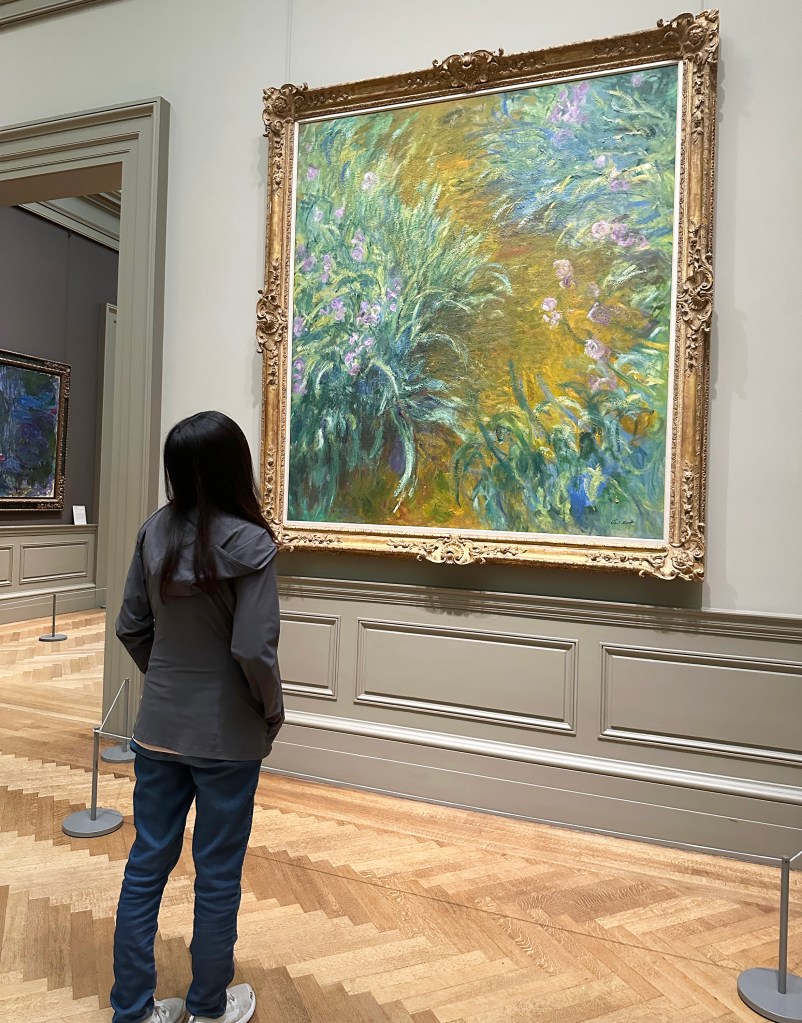
The Impressionist rooms at the Met feel like home now, but it all started with an inexplicable attraction. Before I knew anything about art movements or brushstroke techniques, Monet’s paintings drew me in like a magnet. Maybe it was his way of catching light, or how his colors seemed to dance – I just knew these works made my middle school heart happy.
What makes this piece special at the Met is how it captures everything Impressionism stands for. Those quick brushstrokes aren’t just technique – they’re Monet’s way of grabbing fleeting moments of light. The water below the bridge mirrors more than just lilies; it reflects his mastery of color and his understanding of nature’s constant movement.
Every time I visit, I find myself standing here the longest. There’s something about how the greens and blues blend together, how the bridge arches gracefully over its reflection, that brings a sense of calm. It’s funny – back when I first loved this painting, I didn’t know it would become part of my journey from tourist to art enthusiast. Now I understand why this peaceful corner of Giverny captured not just Monet’s imagination, but mine too.



Leave a Reply