
As I approached the Whitney Museum of American Art, nestled at the end of the High Line, I couldn’t help but feel anticipation. Unlike the MoMA or MET, which had been familiar haunts since childhood, this was my first visit to the Whitney. The museum’s name itself hinted at its focus: American artists and their creations. I found myself wondering about the scope of the collection, given that most works would likely be from the past two centuries. Would a museum dedicated solely to American art be modest in size? With these thoughts swirling in my mind, I stepped into the building, ready to explore this new cultural landscape.
The Unique Entrance and Open Accessibility of the Whitney Museum
Stepping into the Whitney Museum, I was immediately struck by its unconventional entrance. The lobby emanated an open, welcoming atmosphere more typical of a contemporary office building than a hallowed art hall, with a bustling café blurring the line between art enthusiasts and casual coffee-sippers. This approach made the Whitney feel remarkably accessible, stripping away the intimidating aura often associated with cultural institutions. The focal point was an enormous set of elevator doors, towering almost two stories high. These monumental portals evoked a sense of wonder, reminiscent of Alice hesitating before entering Wonderland or Chihiro’s trepidation in Spirited Away. They seemed to promise passage into an unknown realm of artistic discovery. Even the elevators in this space were transformed into creativity canvases. From the outset, the Whitney challenged my expectations, inviting a fresh perspective on what a museum could be. It was clear that this wasn’t going to be an ordinary art experience.
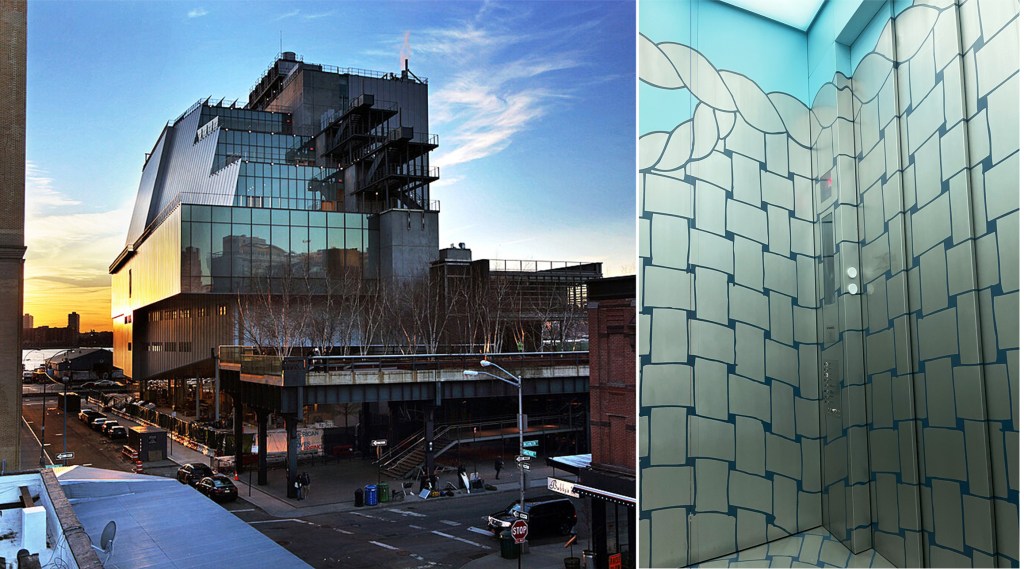
Photograph by Ed Lederman
Embracing Openness : the innovative architectural design
The Whitney Museum’s architecture offers a refreshing departure from traditional designs. Unlike the Metropolitan Museum of Art, where outdoor views are limited to the Egyptian Wing and rooftop garden, or MoMA, which features an outdoor sculpture garden but otherwise remains enclosed, the Whitney embraces openness. Each floor boasts outdoor terraces that provide stunning views of the Manhattan skyline and allow visitors to step outside for fresh air. This innovative design serves as a welcome respite when contemporary artworks become challenging or overwhelming, cleverly integrating the cityscape and the Hudson River into the museum experience. Standing on one of the terraces, I was captivated by how the view itself felt like a work of art, momentarily transporting me back to my time at Olana State Historic Site, where I had admired the same river from a different perspective. This connection between past and present, facilitated by the museum’s unique design, enriched my visit in unexpected ways.
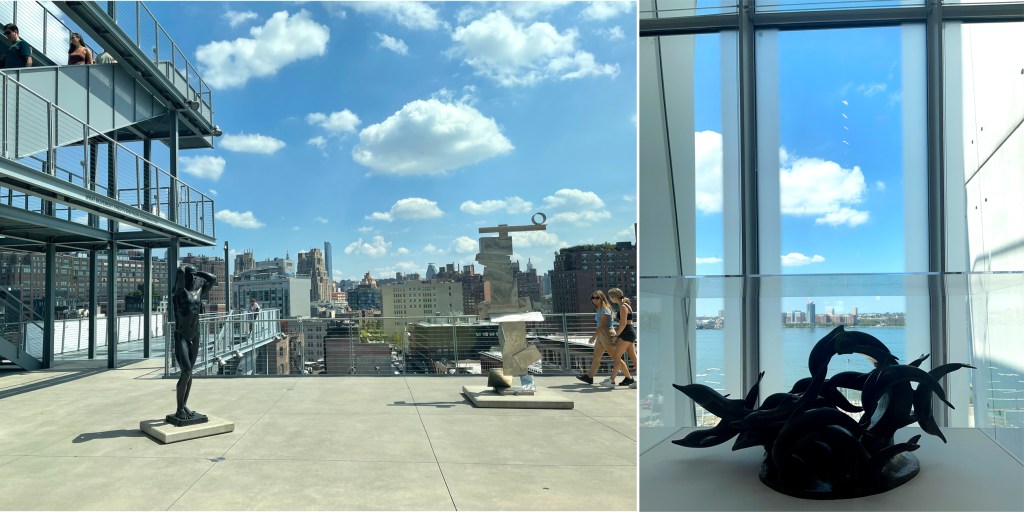
on the terrace of the Whitney Museum
The Whitney Biennial 2022 “Quiet as It’s Kept
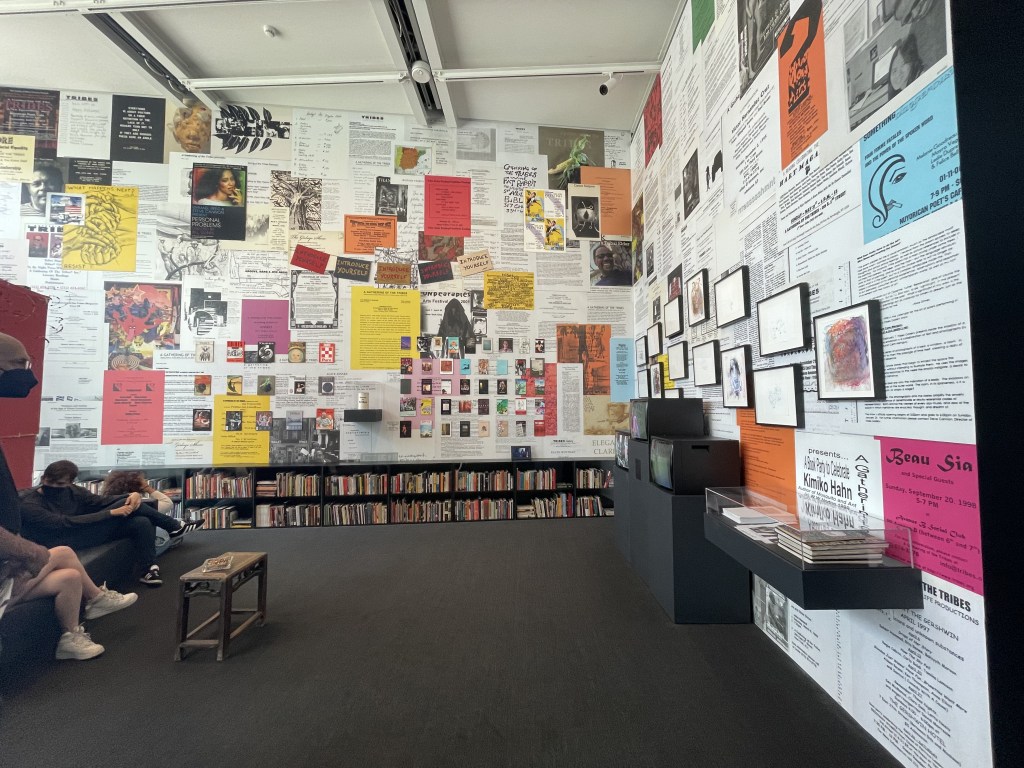
The Whitney Biennial 2022, aptly titled “Quiet as It’s Kept,” served as a crucial platform for American artists, showcasing their work biennially. As a high school student, I often find contemporary art perplexing, questioning its essence and sometimes battling boredom. However, this year’s exhibition felt more accessible, with many pieces that didn’t require an art theory degree to appreciate.
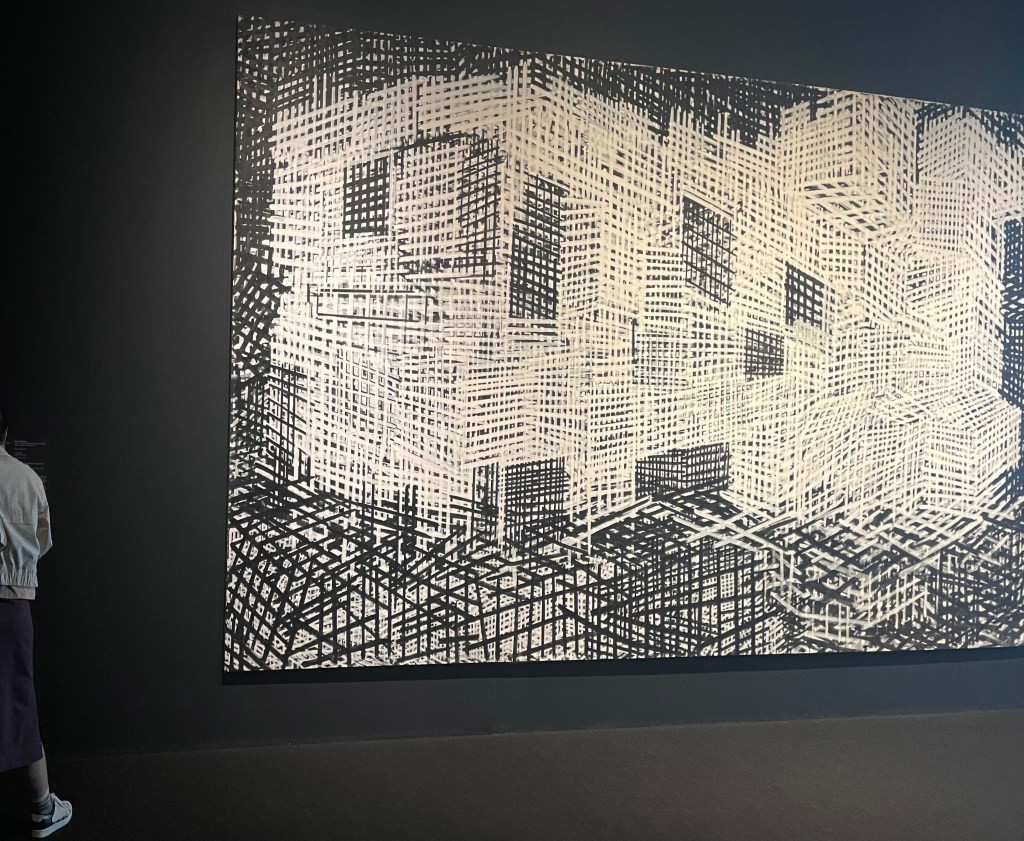
The title itself was intriguing – like a whispered secret shared in the wake of the pandemic’s long, dark tunnel. It felt like a clever, ironic nod to our current social climate. As I wandered through the galleries, I was struck by a particular work: a colossal work simply titled “Jail,” housed within jet-black walls on the fifth floor.
This masterpiece by Denyse Thomasos, an obsessively layered, striking black-and-white abstract acrylic painting from 1993, was reportedly inspired by a prison in a colonial slaving depot. Yet, as I stood transfixed before it, a different interpretation dawned on me. Perhaps the real jail isn’t made of brick and mortar, but of our own distorted perceptions and closed minds. It served as a sobering reminder that sometimes, we are our own wardens, locking ourselves away from new ideas and experiences.


Leave a Reply