
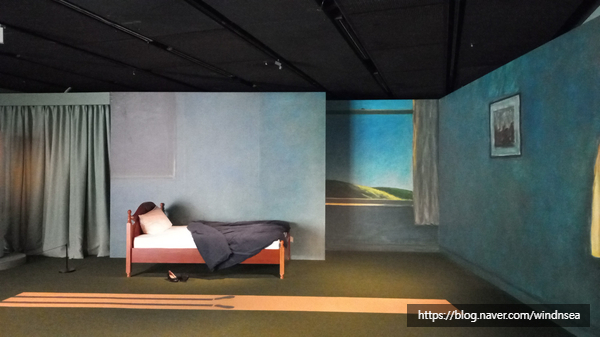
Edward Hopper: An Unexpected Encounter in Seoul
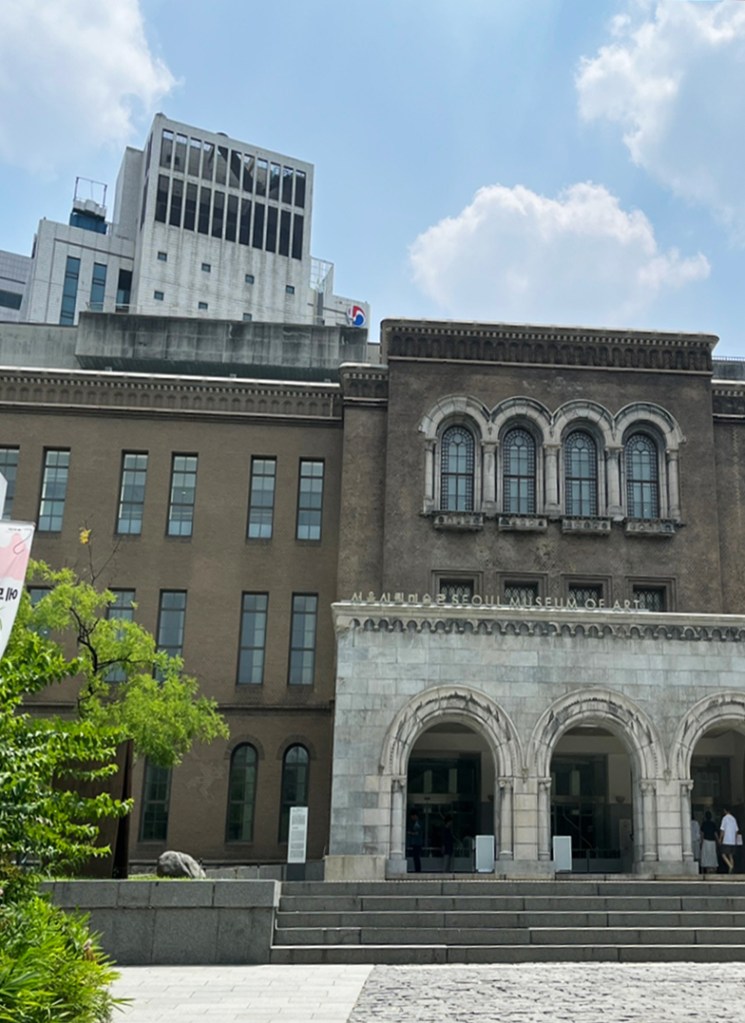
Having missed Hopper’s special exhibition at the Whitney Museum in New York, I found an unexpected second chance during my family visit to Korea. Learning that Seoul Museum of Art (SeMA) was collaborating with the Whitney for a Hopper exhibition – and hearing about its overwhelming popularity leading to an open run – I headed to SeMA early one morning. This twist of fate offered a unique opportunity to experience Hopper’s work in an entirely different cultural context.
Solitude in Color: Hopper’s Visual Language
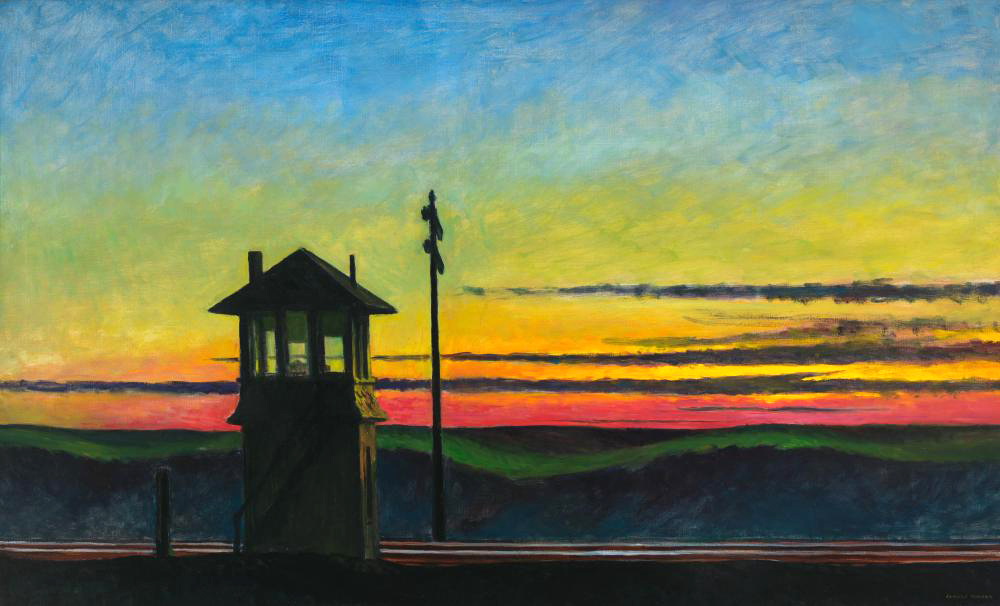
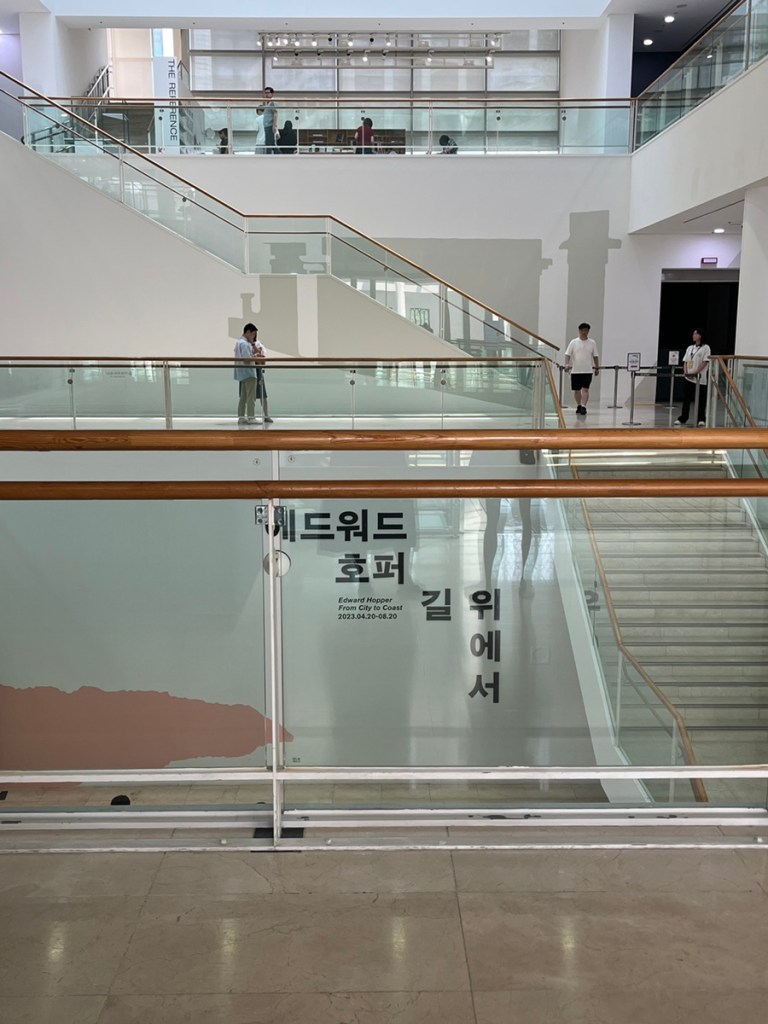
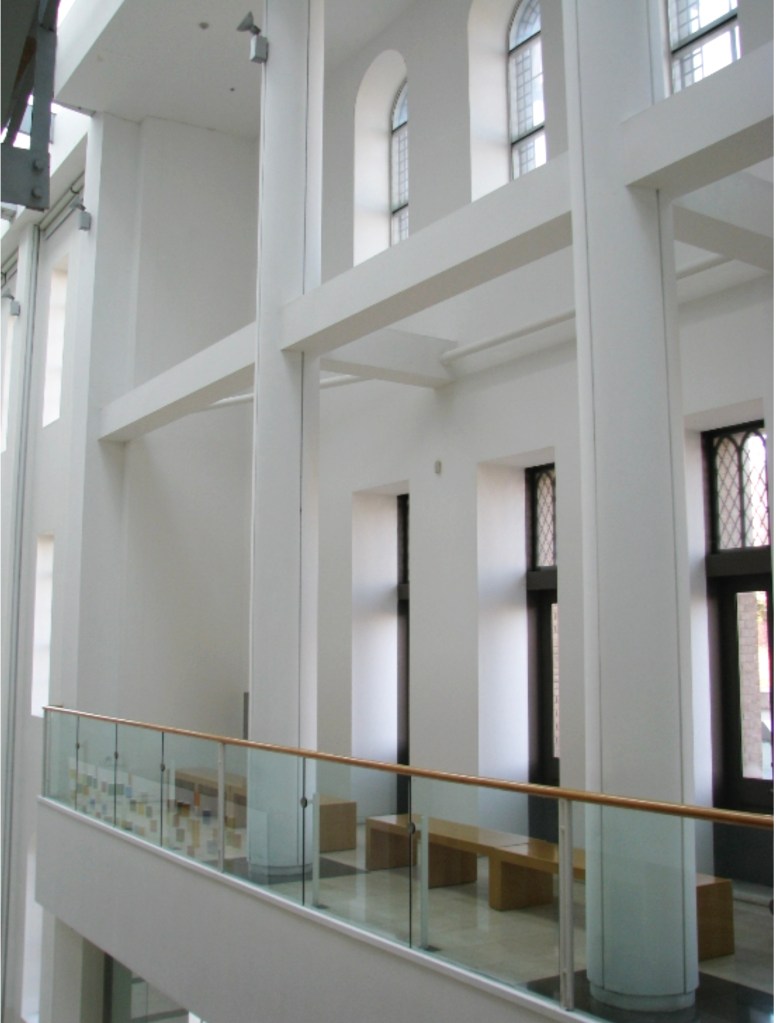
Moving through the chronologically arranged exhibition on the third floor, I found myself immersed in Hopper’s distinctive worldview. Each painting reveals his introverted nature and deep inner contemplation. His signature themes – isolation, disconnection, and solitude – emerge through careful composition choices. The comprehensive English descriptions made the experience even more accessible, allowing me to discover nuances I’d missed at the Whitney. Hopper’s artistic vocabulary becomes clear: subjects positioned off-center, expansive empty spaces, and a masterful use of light that emphasizes solitude rather than loneliness.
A Different Palette: The Josephine Effect
Descending to the first floor, I encountered an unexpected revelation. Initially mistaking Josephine Hopper for Edward’s daughter, I stopped short before his watercolors of her. These works stand apart from his other paintings in both composition and emotional resonance. The blue in Josephine’s dress carries a different weight than the cool blues in his cityscapes. Unlike his characteristic off-center compositions, these paintings place her confidently in the center – yet she never appears isolated. A seaside scene shows her painting, radiating contentment rather than solitude.
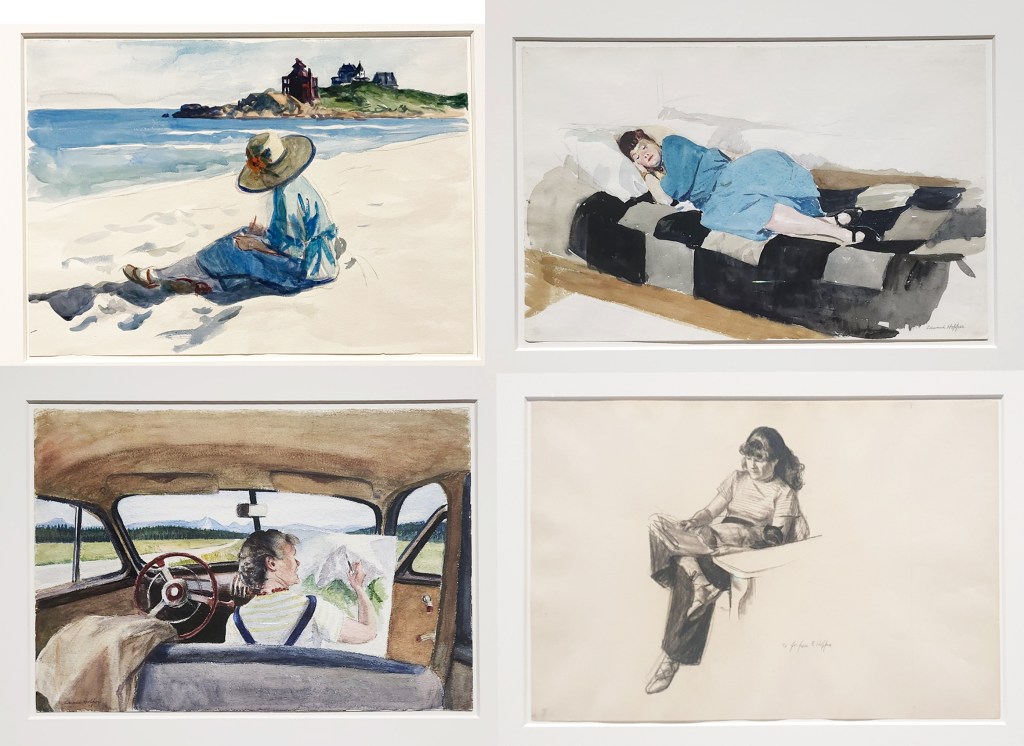
The exhibition reveals Josephine was an artist before their marriage, later becoming integral to Edward’s artistic journey. Her meticulous documentation of his work – including 2,500 pieces donated to the Whitney – preserved his legacy. A striking photograph of the couple catches my attention. Its composition feels deliberately unfamiliar for a couple’s portrait, prompting questions about their artistic dynamic.
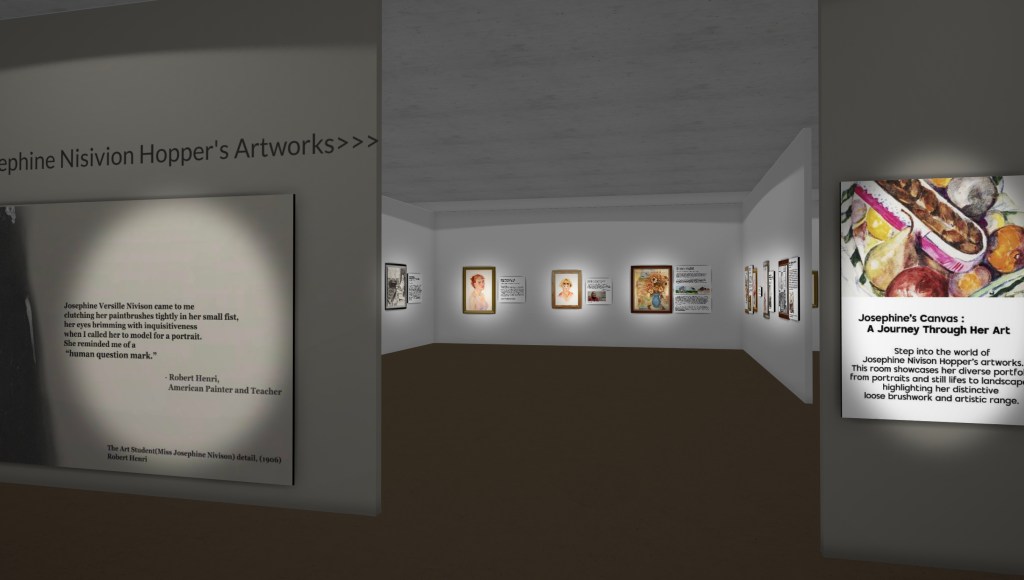
This discovery led me to wonder: Why was this aspect of their story absent from the Whitney’s exhibition, despite their extensive collection? Why aren’t Josephine’s own works displayed? The questions lingered, eventually inspiring months of research back in the US and my curation of an online exhibition dedicated to this shadow creator who helped shape Edward Hopper’s artistic vision.
Click here : Virtual Exhibition ” Josephine Hopper : Artist, Muse and Catalyst”


Leave a Reply