
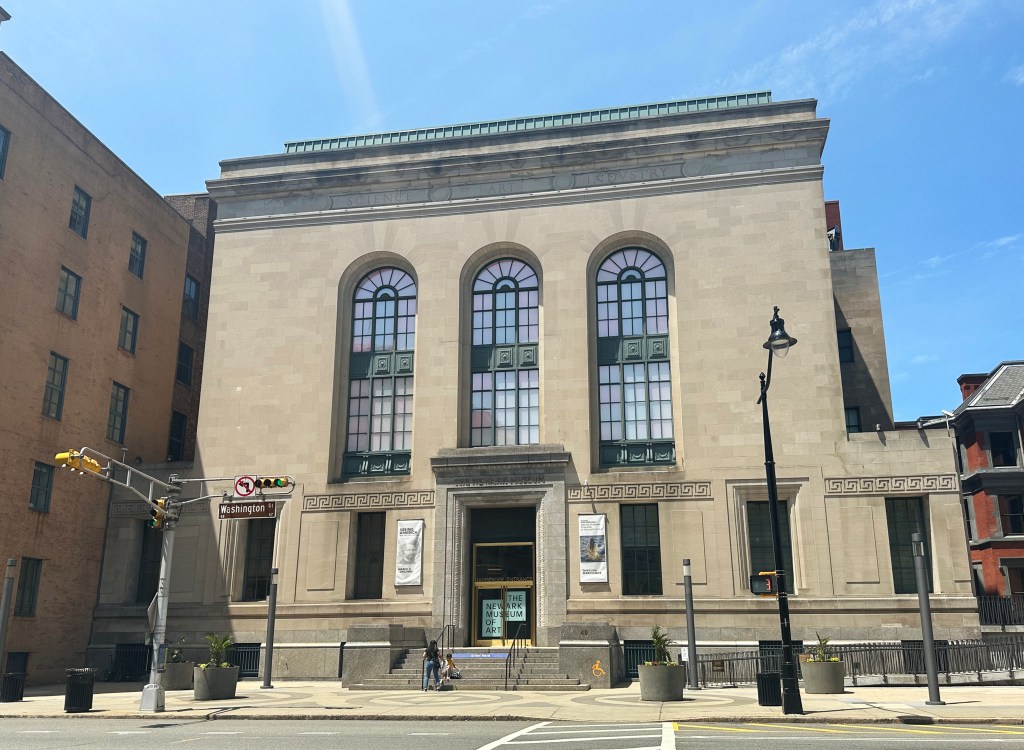
The Hidden Treasures of Newark Museum of Art
Walking into Newark Museum of Art revealed an unexpected dynamic – not the reverent hush of traditional museums, but the energetic hum of a living art space. Weekend art classes occupied the lobby tables, a scene that connects directly to the museum’s century-old mission of accessible art education.
Beyond the bustling lobby, the gallery spaces offered a different rhythm entirely. The animated voices of art students faded into quiet halls housing extraordinary collections. The transition made sense: here was a museum balancing active learning with space for contemplation.
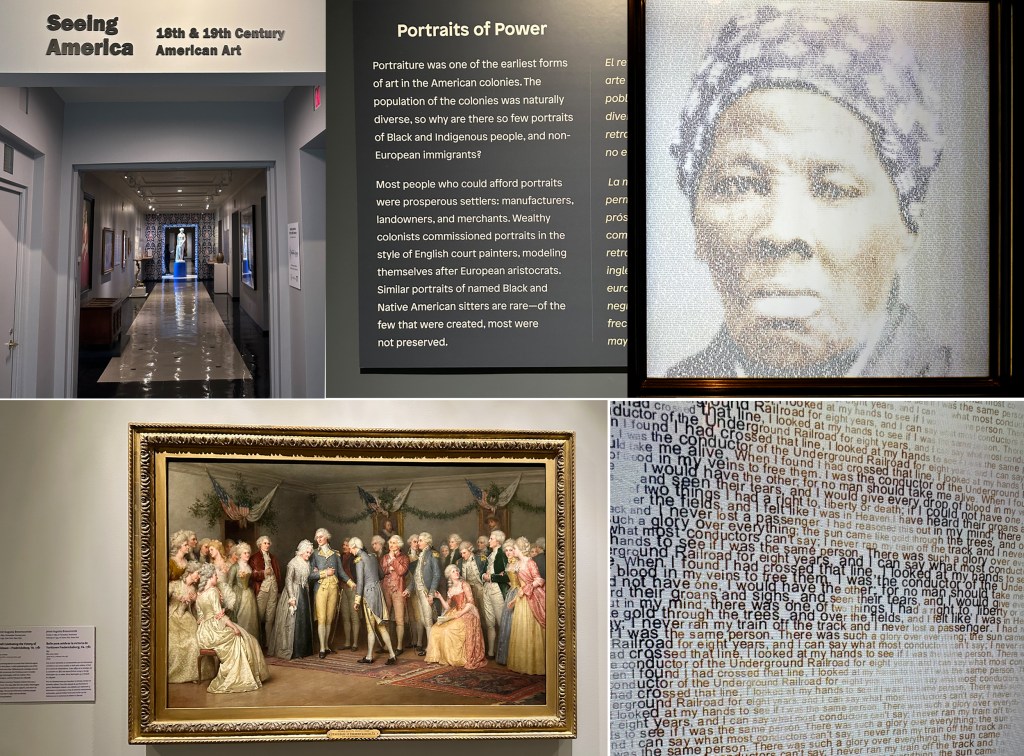
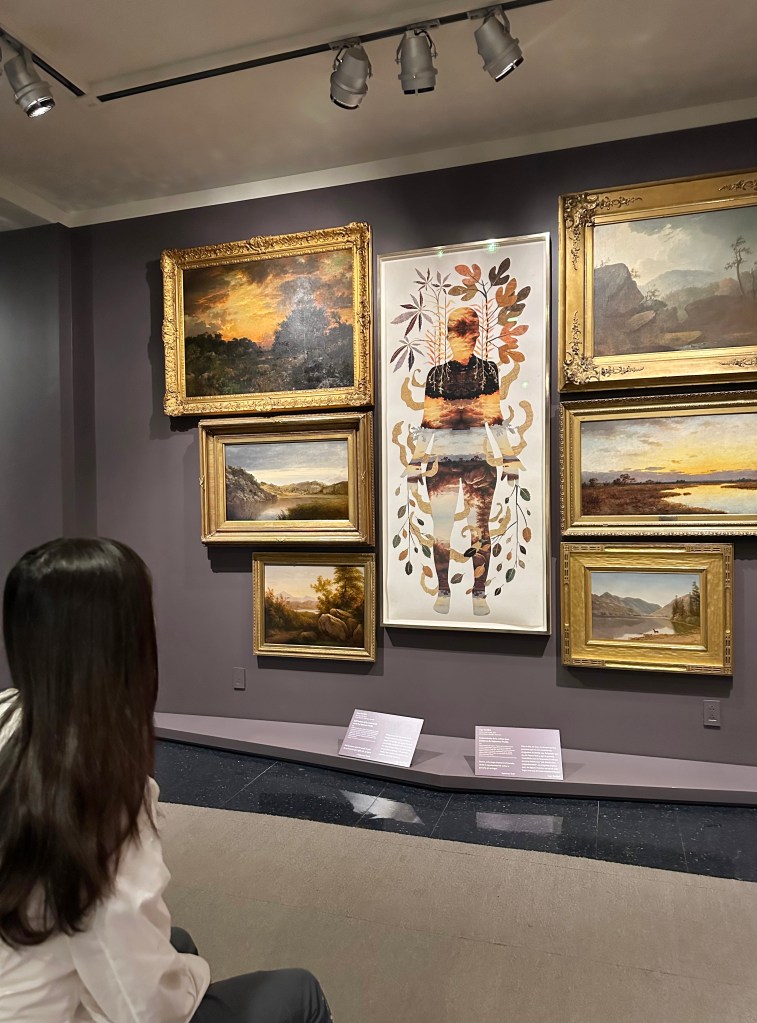
The “Seeing America” galleries mapped out America’s artistic journey in a way I hadn’t seen before. Room after room showed how American art shifted and evolved – from stiff colonial portraits to the bold strokes of modern works. As an art history student, I found myself connecting these artistic changes with the cultural shifts we’d been discussing in class.
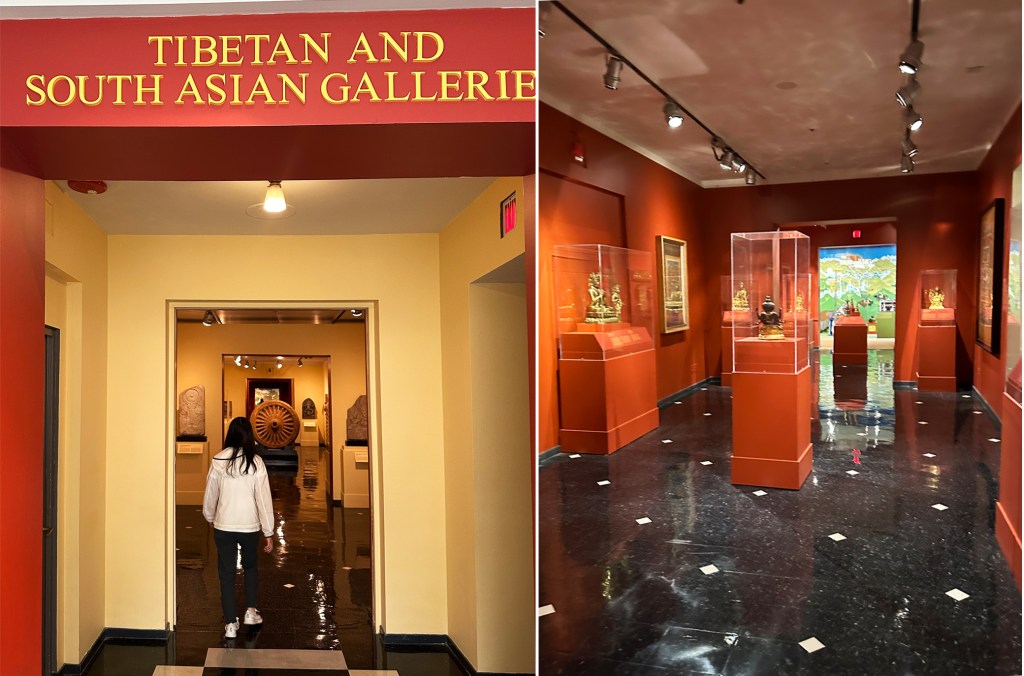
Then came the unexpected gem – their Tibetan collection. Who would have thought Newark, New Jersey would house one of the world’s finest Tibetan art collections? The Buddhist altar, consecrated by the 14th Dalai Lama himself, made me forget where I was for a moment. Unlike the packed Asian galleries in Manhattan museums where visitors rush past display cases, here I had space to linger. The centuries-old artifacts weren’t just arranged for viewing – they created an environment that invited real cultural understanding.
Arts Against Racism: More Than Just an Exhibition
The special exhibition “Arts Against Racism” caught me off-guard – in the best possible way. Instead of being tucked away in a formal gallery, it boldly occupied the museum’s lobby, transforming the entrance space into a digital gallery lounge. Comfortable chairs invited visitors to sit and really engage with the artwork, breaking down the usual “keep moving” atmosphere of traditional exhibitions.
What made it even more special was that these were students’ voices speaking through digital art. As a high school student myself, seeing fellow young artists tackle such a profound social issue was both inspiring and relatable. Their fresh perspectives and digital-native approach brought new energy to addressing racism through art.
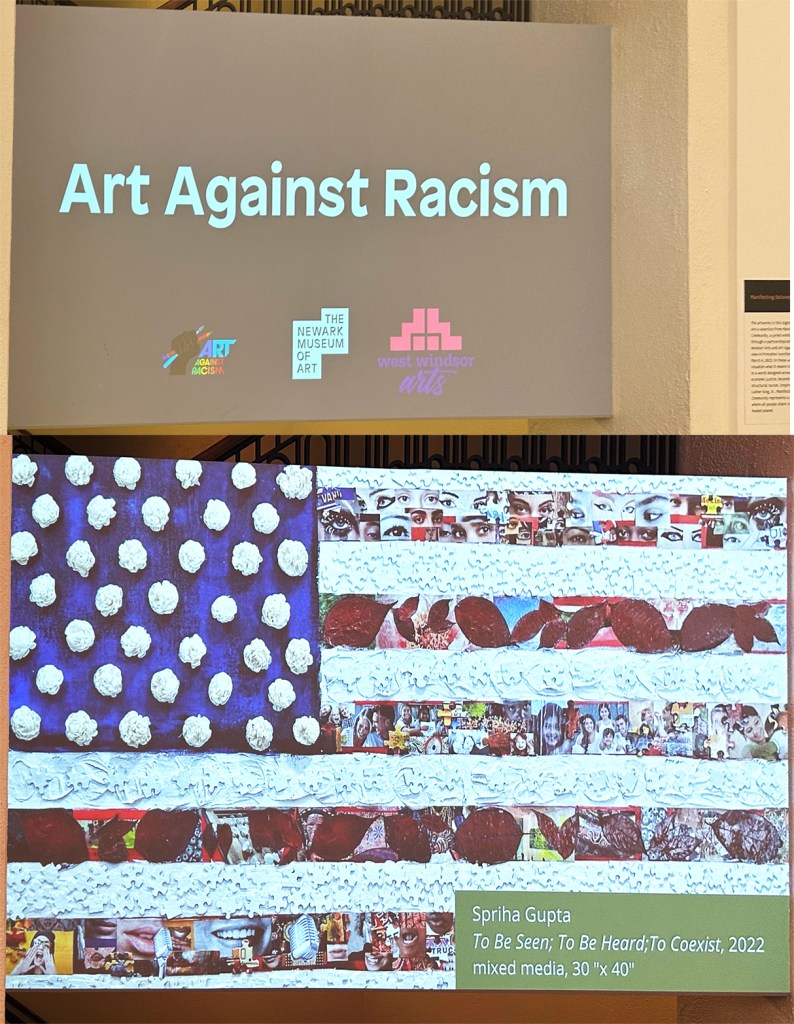
Newark Museum’s choice to showcase student artwork about racism in such a prominent space shows how progressive they truly are. Most traditional museums might hesitate to give their lobby space to student art or such direct social commentary. But here, they’re saying “This matters. These young voices matter.”
For someone my age, this exhibition hit differently. It wasn’t just art to admire from a distance – it was art that spoke to our generation’s concerns and dreams, displayed in a way that felt natural to us. The digital format, the casual seating arrangement, the bold theme – everything about it felt like a museum truly connecting with younger audiences while tackling serious social issues.


Leave a Reply