
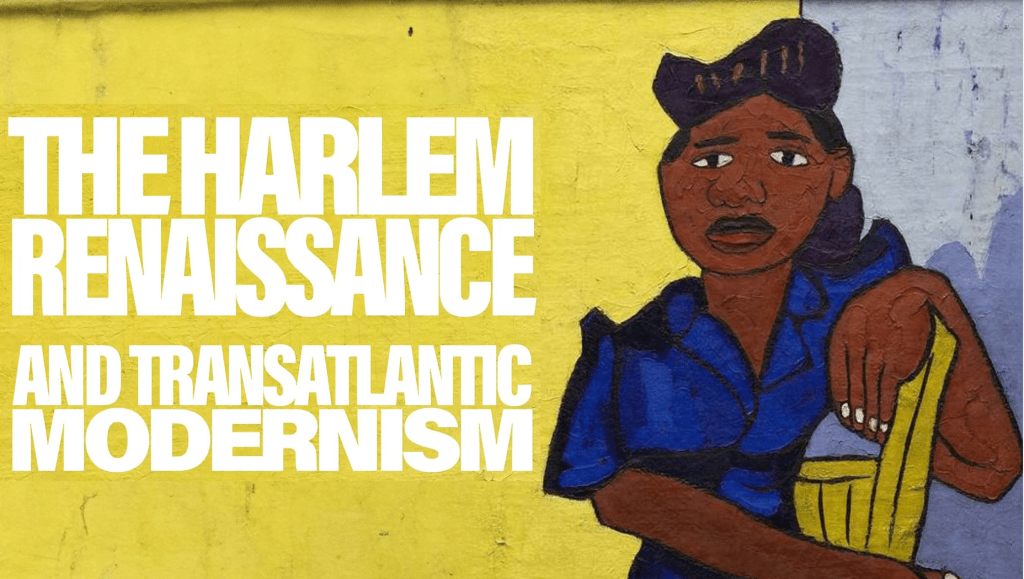
The Harlem Renaissance: A Journey of Discovery
“The Harlem Renaissance: The Transatlantic Modernism” – the title alone made me pause. Each word carries such historical weight, and their connection promises something beyond my usual museum experiences. As an Asian immigrant art student, I couldn’t resist my curiosity about this exhibition, particularly given its presence at the Metropolitan Museum – an institution that has long defined the Western art historical canon.
The crowds on this weekday rival those of the Van Gogh exhibition, though the more generous space allows for better viewing once inside. In the entrance queue, the large text panels introducing the Harlem Renaissance offer essential context about this cultural and artistic flowering from 1925 through the pre-World War II era. My expectations, shaped by contemporary exhibitions like Henry Taylor’s dynamic work at the Whitney, shift as I read.
Then comes the exhibition’s powerful opening statement – a wall text reading “Thinker,” alongside portraits of Black men in formal suits, deep in contemplation. These carefully composed images speak to the exhibition’s broader artistic significance – how portraiture can challenge perceptions and reshape visual narratives. Already, I sense this will be a different kind of artistic journey than I had anticipated.
Unfolding Narratives: Beyond the Entrance
After my recent visit to Henry Taylor’s exhibition at the Whitney, seeing Black lives and portraits in major museum exhibitions no longer feels unusual. What captivates me more is their cultural context. While my American history classes covered the broader historical narrative, encountering this artistic and cultural movement through actual artwork offers a different kind of understanding.
The exhibition unfolds thoughtfully—beginning with portraits of Black intellectuals, physicians, and poets and then flowing into scenes of family life and jazz culture. What makes these images particularly significant is their dual authenticity—not just Black subjects but Black artists capturing their own community’s vitality. Section titles like “Everyday Life in the New Black Cities” speak volumes about the exhibition’s scope, suggesting how art became a space of creative freedom and self-representation.
Portraits and Douglas: Different Voices, Same Story
The portrait galleries reveal fascinating variations in how different artists captured Black culture, each medium and style telling its own story. Winold Reiss’s meticulous pastel portraits emphasize intellectual dignity, and the precise lines and careful detail suggest contemplation and sophistication. In contrast, Samuel Joseph Brown’s watercolors embrace the medium’s translucent nature, creating portraits that speak to shared human emotions through soft, warm textures. Laura Wheeler Waring’s work shows strong European Impressionist influences. Yet, her subjects, often captured in distinctive profile or full-body poses rather than formal frontal positions, seem to be in their own narratives.
Aaron Douglas’s section presents perhaps the most striking visual language. His distinctive silhouettes, reminiscent of Egyptian wall paintings, carry layers of historical weight. Each corner of his canvases reveals powerful historical references – from emancipation to warfare – creating a complex visual collage of Black history. Standing before these works, I find myself not just viewing art but reading history through a different visual vocabulary. In one particularly compelling piece, silhouettes of Black figures transform from cotton field workers to jazz dancers. At the same time, concentric circles create a dynamic spiral effect, suggesting the sweeping movement of historical change.
A Familiar Ending, Yet Different
The exhibition’s final section introduces familiar names – Matisse, Munch, Picasso – showing how these European masters interpreted African diaspora themes. While their approach is intriguing, these works somehow feel less compelling after the powerful statements by the Harlem Renaissance artists. Perhaps it’s telling that even Matisse’s usually commanding presence feels subtler here. The curators likely included these works to demonstrate the transatlantic influence of Black culture on European modernism, but following the profound authenticity of the previous galleries, these pieces, despite their mastery, feel more like an epilogue than a climax.
 Gallery Tales: Monica Yoon Art Journey
Leave a comment