
A Fresh Face for the MET: Korean Art Takes Center Stage
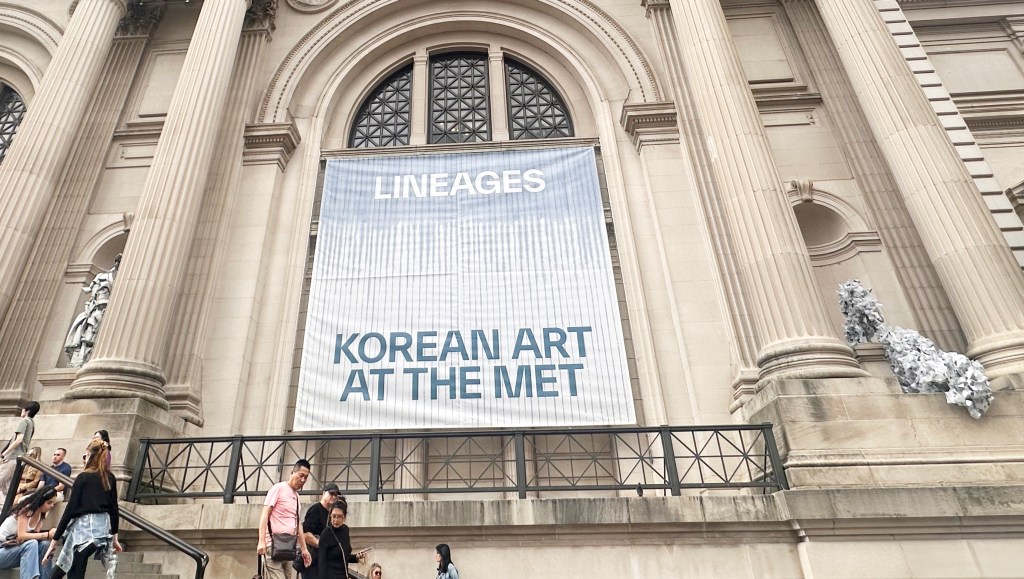
The familiar Fifth Avenue drive with my mother turned into something unexpected last month. Between the MET’s classical columns, a burst of contemporary Korean art caught our attention. Mom’s casual mention of the artist’s Korean background made me slow the car down – this wasn’t the usual ancient celadon or traditional scrolls I’d grown used to seeing in the Asian Wing.
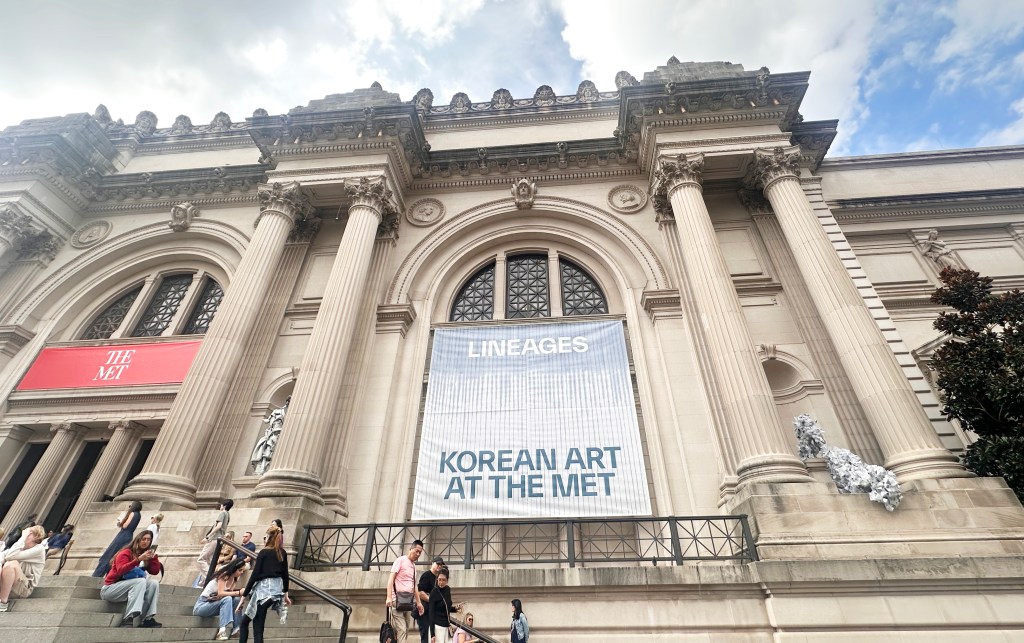
Something about seeing contemporary Korean art commanding the museum’s facade felt different. Here is Korean creativity not tucked away in the permanent collection, but boldly announcing itself on Fifth Avenue. News of the Korean exhibition inside and curator-led tours turned my usual weekend museum plans into an eager countdown.
Dialogues in Stone: Lee Bul at the MET’s Entrance
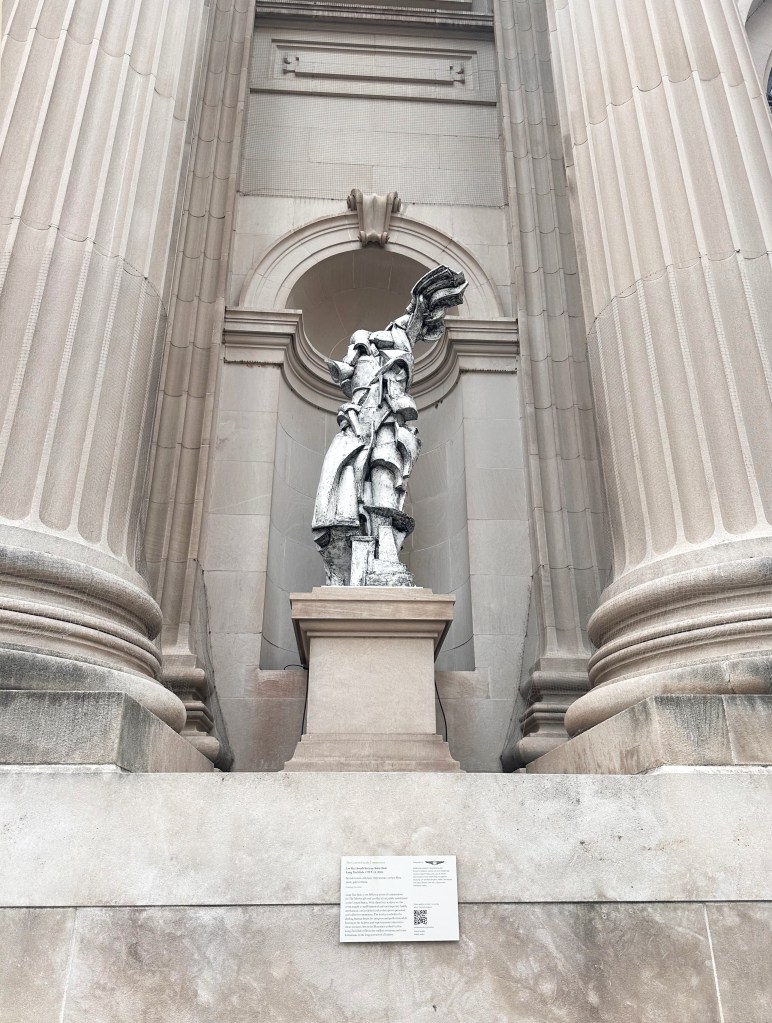
Lee Bul’s four abstract sculptures transform the MET’s classical entrance. Against the museum’s limestone columns, her works create an unexpected conversation – two pieces break into sharp, armor-like fragments, while their companions curve and shimmer like light on water. The contrast makes both the art and the architecture more striking. These abstracts mark a departure from the MET’s traditional facade, where classical figures usually stand guard. Lee’s sculptures don’t offer easy narratives or familiar forms.
These abstracts mark a departure from the MET’s traditional facade, where classical figures usually stand guard. Lee’s sculptures don’t offer easy narratives or familiar forms. Instead, they bridge two worlds: the bold energy of contemporary Korean art and the measured grace of Beaux-Arts architecture. Seeing her name on this historic facade, next to those century-old columns, signals a quiet but significant shift in how Western museums showcase Asian art.
Inside ‘Lineages’: Stories That Time Reveals
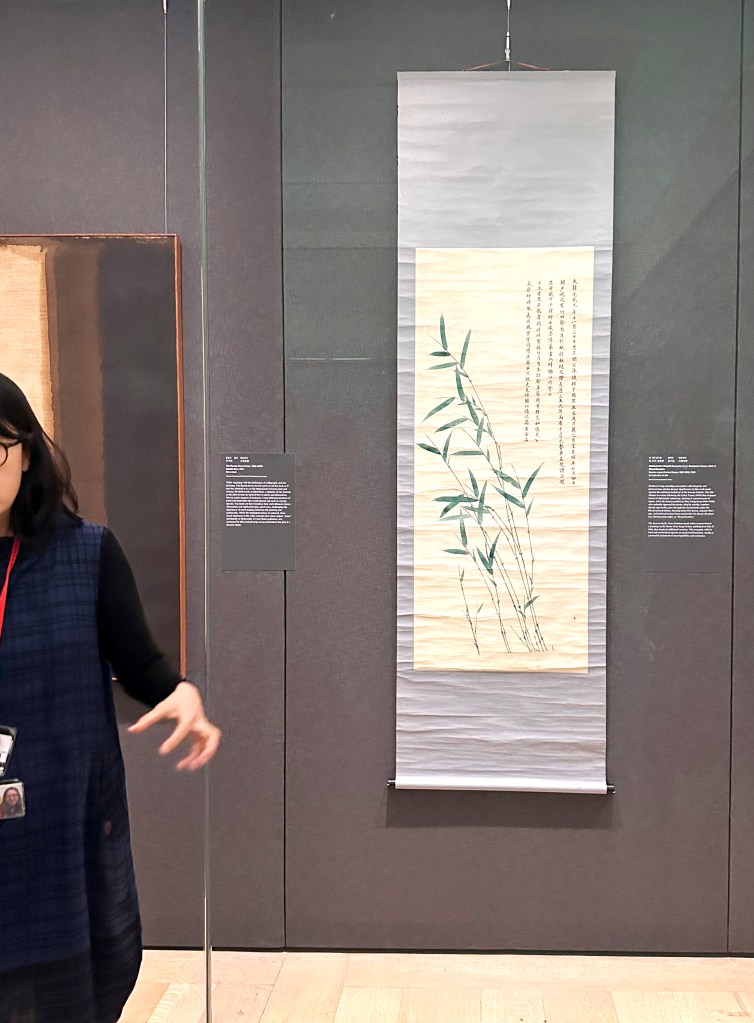
Return visits often reveal what rushed steps miss. During my second walk through the MET’s “Lineages” exhibition, a bamboo painting I’d barely noticed before caught my eye. The curator, seeing me pause, shared its story – these weren’t just any bamboo stems. Called “Blood Bamboo,” each stark ink stroke represented Korean scholars who chose death over political compromise during the Joseon Dynasty. Suddenly, those seemingly simple green leaves carried echoes of resistance. As an art student learning about Korean ink painting techniques, this revelation changed how I saw every brushstroke.
In another corner, I studied an untitled landscape’s subtle shifts. The lower section flowed like Korea’s mountainous terrain – or perhaps, turning it another way, suggested a face in profile. While the top showed the kind of photographic detail we’d been discussing in class, it was the center that held the real surprise.
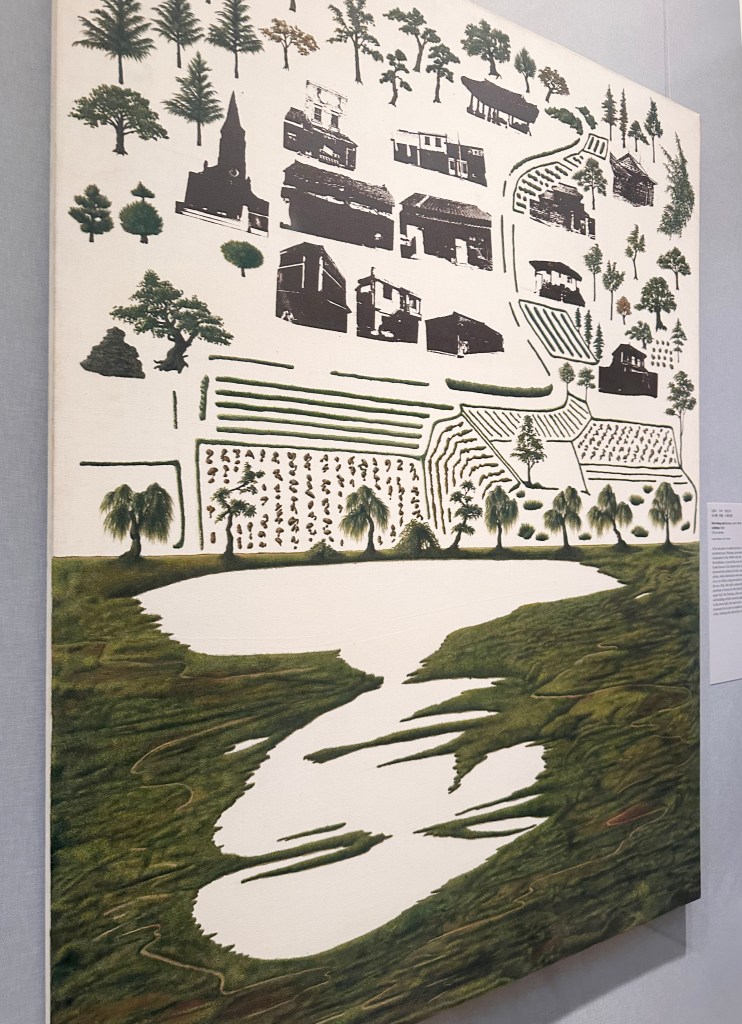
The curator pointed out something I’d never have found alone: the artist’s signature and date, woven so naturally into the painted fields that it had gone unnoticed for years.
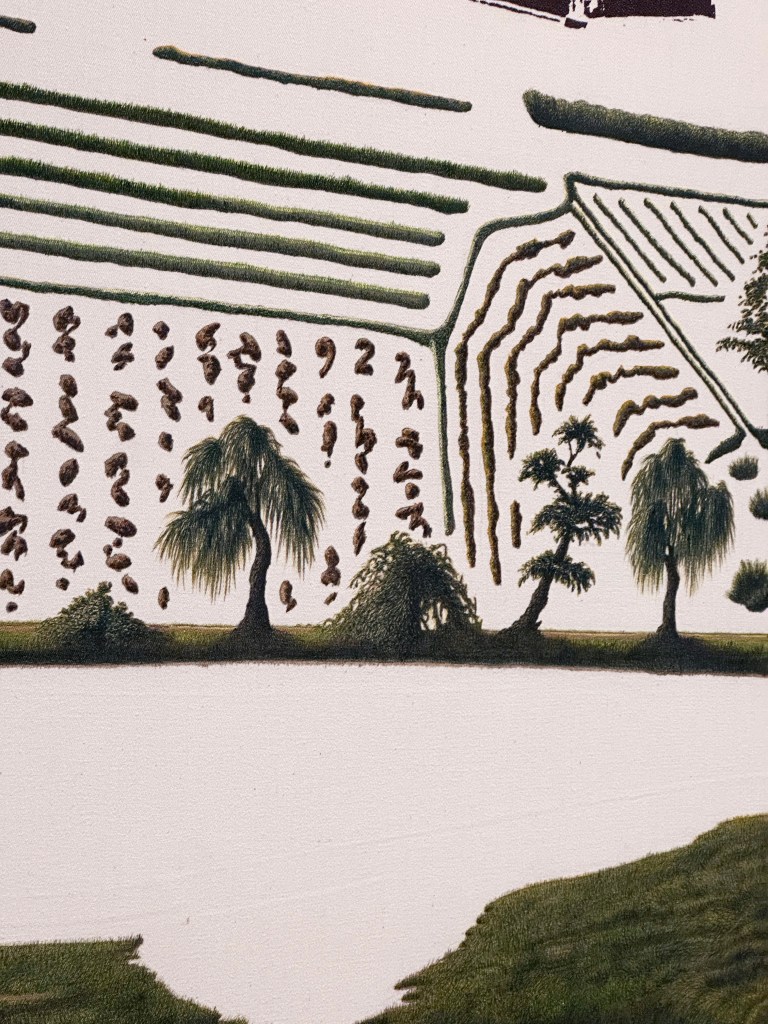
These discoveries made me think about how art reveals itself differently over time. What looks like simple ink on paper during a hurried museum visit can unfold into complex narratives about history, artistic choice, and hidden meanings. My sketchbook filled with notes about techniques I wanted to research further – especially that clever way of incorporating signatures into landscapes. Already looking forward to the MET’s next Korean exhibition.


Leave a Reply